Colocation vs. On-Premise Data Centres: A Cost-Benefit Analysis for Companies
Key Takeaways
- On-premise data centres offer total control, customisation, and enhanced security, but they also have high CAPEX and limited scalability.
- Colocation data centres reduce upfront costs, offer predictable OPEX, and enable rapid scaling with enterprise-grade infrastructure.
- Operationally, colocation frees internal teams and improves uptime and disaster recovery through provider expertise.
- Compliance and security are strong in both models—on-premise allows full control; colocation delivers industry-standard safeguards.
- Hidden costs in on-premise (e.g., upgrades, energy) can strain budgets, while colocation spreads costs across tenants.
- A hybrid approach can combine control and flexibility for strategic advantage.
Introduction
In today’s fast-paced digital era, both colocation and on-premise data centres are mission-critical to business innovation and continuity.
Colocation data centres enable businesses to dynamically scale and adjust to shifting market needs, without being limited by physical constraints. Alternatively, on-premise data centres provide businesses with unparalleled control, customisation, and data sovereignty.
However, many businesses aren’t fully aware of each model’s drawbacks and differences regarding their specific operational requirements.
This article examines the financial and operational differences between colocation and on-premise data centres. We discuss how each model empowers businesses to innovate faster and respond competitively to market opportunities.
What’s an On-premise Data Centre?
An on-premise data centre is a physical data centre owned and run by a business. In practice, servers, networking hardware, and storage devices are all kept and run within the business’s premises or a dedicated facility.
With this setup, the company has total control over both software and hardware. As such, they can easily monitor and manage facets like security and adherence to data privacy regulatory requirements.
Furthermore, on-premise deployments allow companies to modify their environment to suit certain operational requirements flexibly. This means they can easily customise performance settings, security protocols, and configurations to align with their strategies.
Advantages of On-premise Data Centres
On-premise data centres offer several compelling advantages for organisations, such as:
- Complete control: On-premise data centres enable businesses to oversee and modify every facet of their infrastructure independently. This is particularly advantageous for sensitive or regulated data.
- Data security: Because of their physical proximity and direct supervision, they provide improved security advantages, enabling companies to customise security measures to meet their specific needs.
- Low latency and performance: For sectors that depend on real-time applications, having infrastructure on-site guarantees lower latency.
Disadvantages of On-premise Data Centres
Despite their advantages, on-premise data centres manifest several drawbacks, such as:
- High Capital Expenditure (CAPEX): On-premise data centres dictate a substantial upfront investment for their physical infrastructure, hardware, and software.
- Maintaining and staffing: Businesses need to pay high costs for power, cooling, and routine hardware and software updates. They also have to maintain qualified IT personnel for maintenance, troubleshooting, and upgrades.
- Limited scalability: Because on-premise data centres have defined resource capacities, scaling up rapidly in response to expanding company needs is expensive.
What is a Colocation Data Centre?
A colocation data centre is a shared space run by a third-party operator where companies can keep their own servers, storage, and networking hardware.
Under this model, businesses lease space in the data centre, such as racks, cabinets, or cages. In turn, the third-party provider handles building maintenance while providing cooling, redundant power, and high-speed network connectivity.
With this arrangement, businesses benefit from cutting-edge infrastructure and operational know-how without having to shell out significant money to construct and manage their data centres.
Advantages of Colocation Data Centres
Colocation data centres offer significant advantages for businesses seeking reliable, scalable, and cost-effective IT infrastructure. For instance:
- Cost effectiveness: By employing an operational expenditure (OPEX) model, they enable companies to avoid the substantial capital outlay required to construct their own facility. Businesses also benefit from lower maintenance costs and predictable monthly expenses when several tenants share essential infrastructure, like power, cooling, and security.
- Scalability and flexibility: These facilities enable businesses to scale capacity without significant disruptions or upfront costs by providing modular expansions and flexible contracts.
- Improved security and compliance: Colocation facilities usually provide cutting-edge security features, including round-the-clock monitoring, on-site guards, biometric access controls, and strong firewalls. Additionally, they conform to stringent compliance requirements for sensitive industries.
- Reliability and business continuity: They provide redundant power supplies and multiple network connections to ensure high availability and minimise downtime. Thereby, supporting uninterrupted business operations and disaster recovery.

Disadvantages of Colocation Data Centres
Colocation data centres, while offering many benefits, also come with some disadvantages that businesses must consider. For instance:
- Less control: Compared to on-premise solutions, businesses have less direct control over their infrastructure. The third-party provider manages the physical environment, sometimes restricting customisation.
- Potential latency challenges: If the colocation facility is situated far from the company’s main operations, latency difficulties may affect the functionality of important applications.
- Dependence on provider reliability: The quality of service, security, and uptime is dependent on the colocation provider’s management and infrastructure, so any shortcomings or outages on their part can directly affect your business operations
Cost Comparison: Colocation vs. On-premise Data Centres
The main distinctions between colocation and on-premise data centre costs lie in their financial structures.
On-premise data centres need a large upfront capital expenditure (CAPEX) to build, outfit, and staff the facility. This usually entails lengthy lead times and intricate construction procedures.
Colocation, on the other hand, uses an operational expenditure (OPEX) model in which companies rent resources and space from a third-party provider. This results in significantly reduced upfront costs and more consistent monthly expenses.
Furthermore, with on-premise solutions, the organisation handles its own continuous maintenance, upgrades, and unforeseen repairs. In contrast, colocation allows several tenants to share operating costs like power, cooling, and maintenance. This consequently results in significant savings and makes budgeting easier.
So, while on-premise data centres may become more economical in the long term for organisations with stable needs, colocation offers immediate financial flexibility and scalability without the heavy initial investment.
Hidden Costs of On-premise Data Centres:
On-premise data centres often come with hidden costs that extend far beyond a company’s initial investment in hardware and physical infrastructure. These unpredictable and usually underestimated costs can strain budgets and complicate long-term financial planning. For instance:
-
- Infrastructure upgrades: On-premise data centres must regularly invest in hardware and software updates to keep systems up to date. This might include high expenses for new state-of-the-art equipment, licensing and even implementation.
- Energy consumption: As data quantities and performance requirements increase, so do the power and cooling requirements of operating servers on-premise. This can lead to significant continuing costs.
- Security measures: Integrating strong security protocols can be expensive, especially for safeguarding sensitive data and adhering to legal requirements. For example, physical access controls, surveillance, and frequent security updates can increase in cost over time.
Average Colocation Costs
Colocation pricing is usually determined by a pay-as-you-go operational expenditure (OPEX) model. This model takes into account variables including location, power usage, network connectivity, and space (measured in rack units, half racks, or full racks). It also considers the degree of support services needed.
Additionally, businesses should consider potential hidden fees for overages, remote support, and cross-connects when budgeting for colocation services.
Generally, for smaller enterprises, the cost of colocation for a single server can start at $50 per month. Complete rack deployments might cost $500 or more per month, depending on extra service needs, power, and bandwidth.
Operational Considerations
When weighing between colocation and on-premise data centres, here are some operational factors to consider:
- Scalability: Colocation data centres provide excellent scalability, enabling companies to swiftly scale capacity. In essence, companies can rent more space or resources as required without requiring significant capital expenditures or structural adjustments.
On the other hand, on-premise data centres make dynamic scaling exceedingly difficult, expensive, and time-consuming. This is because businesses need to upgrade equipment, increase physical space, and purchase new hardware.
- Business continuity and disaster recovery: Colocation providers usually provide strong business continuity and disaster recovery features. For example, network connectivity, redundant power, cooling, and geographically dispersed locations.
On-premise data centres give the company complete control over backup plans, infrastructure redundancy, and disaster recovery strategies.
- Compliance and regulatory requirements: Colocation facilities typically follow stringent industry-standard compliance frameworks (such as ISO 27001). These sophisticated technical and physical security safeguards facilitate firms’ compliance with regulatory standards.
On-premise data centres allow direct monitoring and highly customised compliance policies. However, businesses must make significant investments in establishing the required controls and documentation, conducting audits, and keeping them up to date.
- Operational management: Colocation frees up internal IT teams to concentrate on core business and application management. This is because they shift the responsibility for maintaining physical infrastructure to the third-party provider.
With on-premise installations, businesses must manage every facet of building maintenance and operation. This adds complexity and necessitates a bigger, more specialised internal staff.
How to Choose Between Colocation vs. On-premise Data Centres?
When choosing between colocation and on-premise facilities, it’s imperative to take a methodical approach.
The main step is to evaluate your company’s particular demands thoroughly. This exploratory process should consider factors like financial limitations, the degree of control desired, scalability requirements, and compliance requirements.
Companies that require maximum control, customisation, and data sovereignty may favour on-premise solutions. However, those with limited capital or varying resource demands may find colocation appealing due to its lower upfront costs, operational flexibility, and capacity for rapid scaling.
A hybrid strategy is also becoming increasingly common. This strategy enables companies to balance control and flexibility by keeping highly regulated or mission-critical workloads on-premise, all while using colocation for less sensitive or scalable operations.
Businesses should also think about long-term strategic objectives and future expansion. Colocation facilities can help with quick expansion and access to cutting-edge infrastructure. However, on-premise environments might be more appropriate for companies with steady, predictable needs.
How Can AIMS Data Centre Support Your Infrastructure Needs?
AIMS offers a comprehensive suite of colocation, managed services, and connectivity solutions, tailored to modern business needs. Our carrier-neutral facilities allow businesses to host their IT infrastructure at a lower cost while maintaining the highest standards of security, reliability, and uptime.
Our interconnected data centres offer a strategic advantage, backed by a “Zero Downtime” commitment and a full infrastructure warranty. In fact, businesses can access our extensive ecosystem across Southeast Asia. Thereby, benefitting from high-speed connectivity and quick recovery capabilities in the event of disruptions.
Our state-of-the-art infrastructure and strong focus on security and compliance make us a trusted partner for industries ranging from finance to e-commerce. So, contact us for a consultation to see how our future-proof data centre solutions can give you a competitive edge in your domain.
Conclusion
All things considered, companies that overlook colocation data centres risk falling behind in both innovation and competitiveness.
Colocation allows businesses to access enterprise-grade infrastructure, like advanced power, cooling, and network connectivity, without massive capital investments.
This shared model not only reduces costs but also provides unmatched scalability to support rapid growth.
Although on-premise data centres provide total control and dynamic flexibility, they’re more expensive and less scalable. This is mainly due to the significant upfront capital investment, continuous maintenance, and increased energy and security costs.
In the end, colocation is frequently more economical and operationally efficient for companies looking for scalability, security, and dependability.
5 Signs Your Business Needs a Colocation Data Centre
Key Takeaways
- Colocation data centres reduce capital and operational expenses by sharing infrastructure costs like power, cooling, and security.
- They offer dynamic scalability, allowing businesses to adjust resources as needed without significant investments.
- Colocation data centres guarantee high availability with redundant power, network connectivity, and cooling systems.
- They meet industry standards for security and regulatory compliance, safeguarding data from threats.
- By outsourcing infrastructure management, IT teams can focus on strategic projects that drive business growth.
Introduction
As digital transformation accelerates, businesses need to innovate faster, respond to market opportunities, and maintain a technological edge over competitors.
Unfortunately, many companies still face ongoing IT infrastructure challenges, such as rising operating, maintenance, and upgrade costs. To exacerbate these issues, they face challenges by dynamically expanding their IT infrastructure to meet business demands.
Fortunately, colocation data centres offer a viable solution. They’re reshaping the way businesses approach their IT infrastructures. They provide businesses with a dependable, shared, scalable infrastructure and regulatory compliance, allowing internal IT staff to concentrate on critical projects.
This article aims to illustrate how colocation data centres provide companies with a strategic advantage and demonstrate how they empower businesses to innovate faster and dynamically respond to market opportunities. So, without further ado, let’s get started!
What is a Colocation Data Centre?
A colocation data centre is a third-party facility where businesses can rent space to house their IT infrastructure, rather than building and maintaining a private data centre.
In this shared environment, companies retain ownership and control over their hardware. However, the colocation provider supplies critical infrastructure such as power, cooling, physical security, and network connectivity.
Consequently, this arrangement allows organisations to benefit from enterprise-grade facilities and operational efficiencies. Thereby, ensuring high availability and reliability for their IT systems without significant capital and operational input.
Why is Colocation Data Centre Necessary for Businesses?
Colocation data centres offer businesses a dependable, scalable, and secure infrastructure that directly fosters innovation, growth, and resilience.
In practice, the flexibility to scale resources up or down as needed allows organisations to respond quickly to market changes, without the heavy capital investment of building their data centres.
Such operational efficiency enables companies to focus resources on innovation and core business initiatives. The colocation provider’s management of the complexities of IT infrastructure ultimately gives them a competitive edge.
1. Escalating IT Infrastructure Costs Are Straining Your Budget
Challenges: Maintaining an on-premise data centre is expensive. It dictates high upfront capital expenditures (CapEx) for hardware, power infrastructure, and real estate, combined with ongoing operational expenses (OpEx) like energy bills, cooling systems, and staffing.
Solution: Colocation services are the answer to this problem. You rent space at a shared, expert facility rather than buying and managing your own data centre. This arrangement shifts IT expenditure from CapEX, which is uncertain, to opEX, which is more predictable.
These infrastructural and cost benefits can be summarised as:
- Shared power, cooling, and network infrastructure that reduces overall costs.
- Lower energy bills due to optimised facility design.
- No need to budget for physical upgrades, generator backups, or HVAC maintenance.
2. Your Business Requires Enhanced Uptime and Reliability
Importance: In today’s digital era, modern businesses depend on always-on systems for business continuity. As such, downtime is costly—not only in terms of lost revenue, but reputation and customer trust.
Colocation advantage: Colocation data centres also guarantee high availability and reduce downtime, even during peak times or unforeseen disruptions. They achieve such reliability via:
- Redundant power supplies (UPS and generators).
- Multi-path network connectivity.
- Robust cooling systems and environmental controls.
3. Scaling Your IT Infrastructure is Becoming Challenging
Limitations: On-premise data centres often face challenges with limited space, power, and cooling capacity. This can make expansion both costly and sophisticated. As such, scaling up usually dictates substantial capital investment for new hardware and additional floor space. Furthermore, integrating new technologies and larger storage can risk downtime, especially when demand unpredictably peaks.
Flexibility: Colocation facilities are purpose-built for dynamic scalability and rapid adaptation to evolving business needs. In essence, they enable companies to dynamically scale up or down without having to make large infrastructure investments. As needed, organisations can increase bandwidth or add more racks.
Future-proofing: Unlike traditional on-premise setups, colocation facilities provide businesses with direct links to multiple cloud providers. This makes it easier for them to integrate emerging technologies such as AI and IoT into their operations. In essence, their interconnected infrastructure supports seamless digital transformation.
4. Security and Compliance Requirements are Increasing
Risks: As the threat landscape expands, insider threats, ransomware, and compliance audits are becoming more prevalent. Failure to meet expectations may result in legal repercussions or customer loss.
Colocation data centres, fortunately, offer viable solutions to today’s dynamic threat landscape. For instance:
- 24/7 surveillance, biometric access controls, and physical security
- Compliance with industry standards such as ISO 27001, PCI-DSS, SOC 2, and more
- Layered cybersecurity protocols and support for data sovereignty
They also follow best industry practices and deploy the latest security innovations, enabling companies to avoid the burden of overseeing security upgrades. As a result, companies have peace of mind since their infrastructure meets the strictest security and regulatory standards.
5. Your IT Team is Overwhelmed with Maintenance Tasks
Burden: Rather than troubleshooting power problems or replacing failing disks, IT professionals should be concentrating on strategy and innovation. However, on-premise administration frequently results in inefficiencies and stress.
Support: Co-location companies usually provide full-stack support, remote hands, and monitoring. Some even offer managed services like hardware replacement, backups, and patching.
Efficiency: Now that the heavy lifting has been delegated, your IT staff can concentrate more quickly on initiatives. For example, tasks that increase revenue, improve customer experiences, and spur innovation.

Colocation Data Centre vs. Cloud
The most significant differences between colocation data centres and cloud services lie in control, customisation, and cost.
Businesses that leverage colocation have complete control over their software and hardware setups. This consequently enables them to tailor their stacks to satisfy their particular needs.
Cloud services, on the other hand, are fully managed by the provider, who also provides virtualised resources that may be made available as needed. This permits quick deployment and scaling for varying workloads, but it restricts hardware-level customisation.
Significant differences in cost structures also exist. Co-location usually entails larger initial gear purchases as well as continuing maintenance, power, and space rental expenses.
Conversely, cloud services use a pay-as-you-go model, charging only for the resources used. This can make them more affordable for sporadic or changeable demands. However, it may result in higher long-term costs for regular use.
Colocation Data Centre vs. Hyperscale
Scalability and resource allocation are two key areas where colocation data centres and hyperscale facilities diverge. Colocation centres are perfect for small and medium-sized firms or enterprises seeking controlled, economical expansion.
This is because they are constructed to let businesses rent only the space and resources they require, allowing for flexible, incremental growth. However, scalability is inherently limited by the physical capacity of the facility. Additionally, expansion often requires migrating to a larger centre as needs evolve.
Hyperscale data centres, on the other hand, are designed for quick, nearly infinite scaling.
In fact, these facilities support hundreds of thousands of servers and massive amounts of data for global tech giants and cloud service providers.
They can effectively handle unexpected surges in demand and support modern technologies like artificial intelligence and big data analytics. Hyperscale environments are the go-to option for businesses with massive, dynamic workloads and a global presence.
Colocation Data Centre Services in Malaysia
Embracing colocation enables businesses to focus on their core competencies while leveraging top-tier enterprise-level IT infrastructure. However, without the right partner, one can miss the full benefits of colocation data centers.
AIMS Data Centre is a renowned provider of dependable, secure, and scalable infrastructure solutions suited to a range of business requirements. As a leading data centre colocation provider in Malaysia, we provide multiple strategically located data centres in Kuala Lumpur and parts of Southeast Asia.
In fact, our robust ecosystem supports seamless interconnectivity across the region. Furthermore, our carrier-neutral approach allows customers to choose from various domestic and international carriers, guaranteeing fast network performance, low latency, and cost-efficiency.
AIMS also guarantees “zero downtime” with full infrastructure warranties and multi-layered security measures. Thus, ensuring dependable data safety and compliance with the highest industry standards.
With nearly 30 years of industry experience, our facilities are powered by energy-efficient technologies, utilising renewable hydroelectric power to offset energy demand. This exemplifies our dedication to sustainability.
As a trusted partner, AIMS empowers businesses to scale their IT infrastructure whilst fostering innovation and maintaining operational continuity.
Conclusion
In industries where speed and uptime are crucial to success, colocation data centres offer a strategic advantage. By renting space in shared, enterprise-grade facilities, companies gain access to advanced power, cooling, and connectivity resources without significant capital outlays.
As a result, companies can dynamically scale resources up or down as needed. Thereby, facilitating faster, more dependable digital experiences.
In fact, colocation data centres are helping modern businesses achieve previously unheard-of levels of innovation and operational agility. They enable companies to swiftly implement new technologies and handle complex tasks related to big data and artificial intelligence.
By moving to colocation, organisations also free up their internal IT teams to focus on more strategic initiatives. Additionally, the geographic distribution of colocation facilities allows companies to position their services closer to end-users. Thus, reducing latency and meeting regional compliance requirements.
What is a Colocation Data Centre? A Guide for Businesses
Summary
A colocation data centre provides businesses with a secure, scalable, and cost-effective solution for housing IT infrastructure.
Companies can rent space in a third-party facility, where they retain control over their hardware while benefiting from essential services such as power, cooling, security, and high-speed internet connectivity.
The key advantages include cost savings, robust security, and redundancy, as well as the ability to scale as needed. Suitable for startups, large enterprises, and cloud-driven businesses, colocation offers flexibility and reliability while reducing operational costs compared to building and maintaining an in-house data centre.
Introduction
In today’s rapidly evolving digital landscape, businesses are increasingly seeking efficient, scalable, and secure IT infrastructure solutions. A colocation data centre offers an ideal alternative to traditional IT infrastructure models.
What exactly is a colocation data centre, and why should your business consider it? This guide will walk you through the essential aspects of colocation, its benefits, and why it might be the right choice for your business.
What is a Colocation Data Centre?
A colocation data centre is a facility where businesses can rent space to house their servers, networking equipment, and other IT infrastructure.
Unlike traditional on-premise data storage, colocation allows companies to place their hardware in a third-party data centre that provides power, cooling, security, and connectivity.
Colocation is different from traditional data hosting or cloud services because companies retain full control over their hardware and software, while relying on the facility for basic infrastructure and support.
This makes it an ideal solution for businesses that require more control over their IT resources but want to avoid the hassle and expense of running a private data centre.
How Does a Colocation Data Centre Work?
Colocation works by offering businesses physical space in a third-party facility. The business usually installs its hardware—servers, storage devices, and network equipment—into racks within the data centre. The facility provides essential services such as power, internet connectivity, cooling systems, and security.
One key advantage of data centre colocation is the infrastructure redundancy typically available. Most colocation data centres feature multiple power sources, backup generators, and cooling systems, ensuring 24/7 uptime and operational continuity.
Businesses also benefit from high-speed internet connectivity. This is often faster and more reliable than what they could secure on their own.
Benefits of Colocation Data Centre for Businesses
Adopting a colocation data centre offers several advantages, especially when it comes to cost, security, scalability, and redundancy.
Cost Savings and Efficiency
Building and maintaining an in-house data centre can be costly. From acquiring land and building infrastructure to hiring staff for maintenance, the expenses add up quickly.
With colocation, businesses save significantly on capital expenditures, as they only pay for the space and services they use in the data centre. Additionally, shared infrastructure, such as power and cooling, makes the model more cost-effective than setting up a private data centre.
Security and Redundancy
Another reason businesses opt for colocation data centre is the robust cybersecurity features these facilities offer.
Colocation data centres are equipped with multi-layered security systems, including physical security measures like biometric access control, video surveillance, and 24/7 systems monitoring.
They also provide network redundancy, ensuring businesses can maintain operations even in the event of an infrastructure failure.
Moreover, data centres are often designed to be compliant with industry standards and regulations, offering businesses peace of mind when it comes to data protection.
For more on data centre security, read ‘How Data Centres Ensure Security: Best Practices for Protecting Business-Critical IT Infrastructure’
Scalability and Flexibility
As your business grows, so will your IT needs. Colocation data centres allow businesses to scale their operations seamlessly by adding servers or upgrading their network resources.
This flexibility is essential for companies that experience fluctuating demand or rapid growth.
Since colocation providers offer a range of services and options, companies will be able to adjust their IT infrastructure as needed without the burden of managing physical space or facilities.
Who Needs a Colocation Data Centre?
Colocation data centres are suitable for a variety of businesses, from startups to large enterprises. Here are some businesses that will benefit from colocation:
Startups and Small Businesses
Colocation data centres offer an affordable and scalable IT infrastructure solution for startups and small businesses.
Rather than having to spend substantial capital on building their own data centres, startups can rent space in a colocation facility and focus on growing their business. This allows them to benefit from enterprise-level security, connectivity, and redundancy without the hefty cost.
Enterprises and Large Organisations
Large enterprises that rely heavily on IT infrastructure for operations can also benefit from data centre colocation services. These companies often need both control and customisation that come with housing their hardware in a colocation facility.
Additionally, the cost savings, security, and scalability provided by colocation make it a great option for organisations that need high performance and uptime for mission-critical systems.
Cloud-driven Businesses and Providers
For cloud providers or companies that are highly dependent on cloud services, colocation can offer greater control and flexibility than traditional cloud hosting.
Many cloud-driven businesses use colocation data centres to house physical servers that power their cloud offerings. This ensures they maintain control over hardware while benefiting from high availability and scalability of colocation facilities.
Colocation Data Centre vs Other IT Infrastructure Models
While colocation offers several advantages, it’s important to compare it with other IT infrastructure models, such as on-premise data centres, cloud hosting, and hyperscale data centres.
Colocation Data Centre vs On-premise IT Infrastructure
With on-premise IT infrastructure, businesses manage everything in-house, including physical servers, networking equipment, cooling, power, and security. While this gives companies full control, it also comes with high capital and operational costs.
In contrast, colocation allows businesses to outsource most of the infrastructure management while maintaining control over their IT resources.
Colocation Data Centre vs Cloud Hosting
Cloud hosting offers scalability and flexibility but requires businesses to relinquish control over their hardware.
In a colocation data centre, companies retain ownership and control of their servers and network equipment. This makes colocation ideal for businesses that need full control over their IT environment while enjoying the reliability and security of an outsourced infrastructure.
Colocation Data Centre vs Hyperscale Data Centres
Hyperscale data centres are typically used by large-scale cloud providers, offering massive amounts of computing power. These data centres are optimised for cloud service delivery and often focus on large-scale efficiency rather than customisation.
While colocation data centres can be highly customisable and scalable, hyperscale data centres are more suited for businesses with significant cloud computing needs.
How to Choose the Right Colocation Data Centre Provider?
When choosing a colocation data centre provider, businesses should consider several factors to ensure they select the best facility for their needs.
Location and Proximity
The location of your colocation facility is crucial. Businesses that require low-latency connections or need to comply with local data privacy laws should choose a colocation data centre near them. Proximity to your operations can also help improve speed and performance.
Pricing and Service Levels
Different colocation providers offer varying levels of service and pricing models. Businesses should evaluate the pricing structure, including space, bandwidth, and power usage.
Service Level Agreements (SLAs) are also important as they outline the provider’s commitment to uptime, support, and performance.
For more information, read ‘What to Look for in a Data Centre Provider: A Business Decision-Maker’s Guide’.
Colocation Data Centre Malaysia
In Malaysia, AIMS Data Centre is one of the leading colocation data centre providers, with over 20 years of experience. AIMS offers businesses secure, scalable, and reliable IT infrastructure solutions. Their Tier-3 certified data centres provide 24/7 security, redundant power and cooling, and high availability, ensuring minimal downtime for critical operations.
With points of presence in Kuala Lumpur, Cyberjaya, and Bangkok, AIMS offers flexible and scalable colocation data centre services that cater to businesses of all sizes.
The state-of-the-art facilities are equipped with energy-efficient systems and multiple carrier connections, making it an ideal choice for companies needing fast, reliable, and cost-effective IT solutions. Additionally, AIMS is committed to sustainability, utilising green technologies to minimise environmental impact.
With competitive pricing and tailored solutions, AIMS has become known as a trusted partner for businesses in Malaysia looking to optimise their IT infrastructure. Their commitment to high security, uptime reliability, and network connectivity makes AIMS an excellent choice for organisations seeking a secure and flexible colocation data centre in Malaysia.
Conclusion
A colocation data centre offers businesses a cost-effective, scalable, and secure solution for their IT infrastructure needs. By renting space in a third-party facility, companies can enjoy the benefits of high-end security, network redundancy, and professional management, all while maintaining control over their hardware.
Whether you’re a startup, a large enterprise, or a cloud-driven business, colocation provides the flexibility and reliability necessary for growth.
Consider your business’s unique needs and explore colocation providers that offer the right mix of services, security, and pricing for your operations.
Data Centre Compliance 101: What Businesses Need to Know About Certifications & Regulations
Summary
Data centre compliance ensures secure data handling, mitigating risks like data breaches and system downtime. Key certifications include ISO 27001 (Information Security Management), SOC 2 (Security, Availability, and Privacy), and PCI-DSS (Payment Card Industry Security), which help businesses manage data confidentiality, integrity, and availability.
Compliance builds customer trust, reduces legal and financial risks, and supports industry-specific regulations like GDPR and HIPAA. It also enhances operational efficiency by minimising human error and ensuring disaster recovery.
Businesses partnering with certified data centres, like AIMS, benefit from secure, reliable infrastructure that strengthens their competitive edge and safeguards sensitive data.
Introduction
Data is being referred to as “the new gold” because of its role in promoting innovation, driving business decisions, and offering competitive advantages. In fact, data has changed from being an operational byproduct to a strategic asset that drives efficiency in the digital economy.
However, in order to realise its full value, businesses must guarantee data security, quality, and accessibility. This is where adherence to standards such as ISO 27001, SOC 2, and PCI-DSS comes into play.
Strict compliance with these standards helps data centres demonstrate a commitment to ethical data handling—fostering customer trust and regulatory alignment. This, in turn, prevents reputation damage and financial losses for data-driven businesses.
What is Data Centre Compliance?
The term “data centre compliance” describes how closely data centres follow a set of industry-specific, legally mandated, and globally accepted standards that control the safe handling, processing, and storage of data.
These frameworks—such as, SOC 2, PCI DSS, and ISO 27001— guarantee that data centres maintain strict security procedures to safeguard the availability, confidentiality, and integrity of sensitive data.
In fact, compliance isn’t just important for security. It’s essential to preserving client trust, avoiding fines, and fostering company expansion. Customers are reassured by certified compliance that a data centre follows the best standards and runs transparently and dependably.
This is especially important in sectors like finance and healthcare that have stringent regulations. Compliance frameworks also standardise operational controls, which lowers human error and boosts productivity.
Data Centre Compliance Standards
Three primary data centre compliance standards govern the data centre landscape. These are:
ISO 27001: Information Security Management System (ISMS)
ISO 27001 is a standard accepted internationally for creating, preserving, and constantly enhancing an information security management system (ISMS). It thus provides a structured approach to managing information security risks via policies and controls that safeguard data confidentiality, integrity, and availability.
Data centres need this certification because it guarantees that companies maintain strong systems in place to detect vulnerabilities, reduce risks, and handle security incidents. This standard is especially crucial for ensuring compliance with global privacy laws and regulatory requirements.
SOC 2: Service Organization Control
SOC 2 accreditation assesses the management of sensitive customer data by service organisations, including data centres. It utilises five trust service criteria: privacy, confidentiality, processing integrity, availability, and security.
Overall, this data centre compliance certification ensures that data centres minimise risks such as unauthorised access or system downtime. So, when companies work with a SOC 2-certified service, they can confidently trust that the provider employs best practices to protect sensitive data.
PCI-DSS: Payment Card Industry Data Security Standard
PCI-DSS is a vital compliance standard for data centres that store, process, or transmit payment card information. It mandates stringent security measures to protect cardholder data from bad actors and breaches. For example, encryption, access controls, network segmentation, and regular vulnerability testing.
Compliance with PCI-DSS fosters trust with clients as it demonstrates a commitment to safeguarding financial transactions. As such, businesses in the e-commerce space cannot compromise when partnering with a PCI-DSS-compliant data centre to meet legal requirements and maintain customer confidence.
Why is Data Centre Compliance Important?
Data centre compliance is mission-critical to strengthening a business’s security posture and overall risk management strategy. In fact, compliance protects companies from fines, legal ramifications, and reputational harm. Additionally, compliance helps businesses uphold client confidence in an increasingly complex digital landscape. Here’s a more detailed breakdown of why data centre compliance is important:
Enhances Security
Frameworks for compliance, such as ISO 27001, SOC 2, and PCI-DSS, offer precise instructions and protocols for executing strong security controls. This consequently lowers data centre’s susceptibilities to threats like illegal access, data breaches, and cyberattacks.
To reduce human error and improve system stability, these standards also mandate specific operational best practices. For example, frequent audits, incident response planning, and access management.
For more on data centre security, read ‘How Data Centres Ensure Security: Best Practices for Protecting Business-Critical IT Infrastructure.’
Manages Risk
Data centre compliance standards help identify vulnerabilities and mitigate risks before they escalate into major threats. For example, certifications like PCI-DSS impose regular audits, risk assessments, and robust controls to address potential weaknesses.
By meeting these standards, businesses appreciably reduce the likelihood of data breaches, cyberattacks, and system failures. Furthermore, adhering to compliance significantly minimise legal risks such as penalties or lawsuits. Overall, this proactive approach protects businesses from financial losses and maintains their reputation in an increasingly competitive market.
Legal and Regulatory Obligations
Non-compliance with data centre regulations often leads to hefty fines, operational restrictions—or even loss of business credibility. For instance, failure to comply with frameworks like GDPR or HIPAA could result in penalties that significantly impact a company’s reputation.
Overall, compliance ensures that industry-specific legal requirements are met for handling sensitive data. This consequently averts costly disputes or regulatory sanctions— demonstrating accountability and transparency to all stakeholders.
Data Centre Compliance Checklist
Compliance enables businesses to improve resilience, maximise performance, and prosper in the intricate digital economy.
To ensure compliance with industry norms and laws, an extensive data centre compliance checklist should evaluate several important elements. For instance:
- Physical security controls, including access control systems, surveillance cameras, and security personnel.
- HVAC and power systems to ensure proper environmental conditions and uninterrupted operations.
- Fire suppression systems as well as disaster recovery plans that will mitigate risks of data loss or service interruptions.
- Network security configurations, vulnerability scans, and data encryption techniques.
- Regular system updates and patch management to address security vulnerabilities.
- Data backup and restoration processes, along with data redundancy measures.
- Configuration management and change control procedures
- Data disposal procedures to securely handle end-of-life data and equipment.
Essential Data Centre Compliance Certifications
Certifications for data centre compliance guarantee the safe, dependable, and effective operation of facilities. For instance, ISO 27001 creates a strong Information Security Management System (ISMS) to safeguard sensitive data through methodical controls, policies, and procedures.
Similarly, the five trust service criteria—security, availability, processing integrity, confidentiality, and privacy—are the emphasis of SOC 2. These fundamental SOC 2 tenets consequently help ensure data centres adhere to strict guidelines for handling private client data. Together, these certificates increase client trust and guarantee compliance.
Additional Compliance Considerations
Depending on their sector or location, organisations may need to achieve extra compliance standards in addition to the core certifications. For example, the General Data Protection Regulation (GDPR) prioritises openness and individual privacy rights. In practice, GDPR strictly regulates how companies doing business within the European Union handle personal data.
Another significant compliance is HIPAA, which requires stringent measures to safeguard the confidentiality and integrity of healthcare data in the US.
Additional levels of regulatory complexity are introduced by regional laws such as Japan’s Act on the Protection of Personal Information (APPI) and the Federal Information Security Management Act (FISMA) for federal data security in the United States.
Addressing these standards ensure businesses remain compliant across disparate jurisdictions while safeguarding sensitive data from bad actors.
AIMS Data Centre Certifications and Credentials
In an era where efficiency and sustainability are increasingly prioritised, compliance also helps enterprises achieve long-term objectives by promoting operational reliability and cutting down on inefficiencies.
With its numerous certifications and regulatory accreditations, AIMS Data Centre exhibits a strong dedication to data centre compliance. Thus, solidifying its standing as one of the ASEAN region’s top carrier-neutral data centre operators and managed service providers.
AIMS guarantees operational excellence and continuously aims to surpass client expectations by upholding international benchmarks in quality standards. By conforming to strict legal, regulatory, and security criteria, AIMS helps businesses significantly reduce the risk of data breaches and the related fines for non-compliance.
As such, partnering with AIMS enables companies to take advantage of a dependable and safe infrastructure—improving operational effectiveness and data protection. With such low operational risks, businesses can concentrate on their core competencies, and achieve increased consumer trust resulting in a competitive edge in the market.
Conclusion
When choosing a data centre provider, modern businesses must give top priority to adherence to industry standards like ISO 27001, SOC 2, and PCI DSS. These international standards guarantee strong security, risk management, and regulatory compliance.
AIMS Data Centre holds certifications such as ISO 27001 and SOC 2, assuring businesses a secure and compliant environment. These credentials streamline audits, augment risk management practices, and ensure uninterrupted operations via disaster recovery and business continuity measures.
As a result, AIMS partners can benefit from reduced operational risks, greater customer trust, and a competitive edge in the marketplace. Ultimately, compliance is not just a regulatory requirement but a strategic advantage that enables enterprises to effectively navigate the intricacies of today’s data-driven landscape.
Future-Proofing IT Infrastructure: How to Choose a Scalable Data Centre That Grows with Your Business
Summary
Scalable data centres are essential for businesses to future-proof their IT infrastructure. Key features include flexible power, space, cooling, and network capacity. These centres enable efficient expansion without disrupting operations.
Scalable solutions support growth, enhance business continuity, and improve financial efficiency by aligning infrastructure with actual demand. Hybrid and multi-cloud strategies further enhance scalability, offering flexibility and cost efficiency.
For businesses in Malaysia and Southeast Asia, AIMS provides advanced, flexible data centre solutions with power redundancy, climate-adapted cooling, and seamless cloud integration, helping companies to stay competitive in a rapidly evolving digital landscape.
Introduction
Businesses— whether startups or large enterprises—depend on IT infrastructure to drive operations, support growth, and maintain competitive advantages. As data volumes grow and computational demands increase, organisations’ data centres must be future-proofed.
This future-proofing should accommodate increasing workloads, new technologies, and connectivity demands as businesses expand.
We unpack how partnering with data centres that support scalability allows businesses to remain competitive in an evolving digital landscape.
What is Data Centre Scalability?
Data centre scalability refers to the capacity of a data centre to grow as needed in terms of computing power, storage space, and network infrastructure— without affecting performance or service quality.
In practice, a truly scalable data centre allows businesses to expand their IT operations incrementally, efficiently, and economically as their needs evolve.
Unlike traditional static data centres—which operate with fixed parameters— scalable facilities offer flexibility in multiple dimensions. This adaptability enables organisations to quickly respond to changing business requirements. For example, sudden traffic spikes, new application deployments, or expanded customer bases.
Key Features of a Scalable Data Centre
Scalable data centres differ from their traditional counterparts in several fundamental ways. Let’s examine the critical components that enable true scalability:
Power
The power infrastructure serves as the foundation for data centre scalability. A scalable facility must provide:
- Redundant power systems: Multiple independent power sources and backup generators to ensure operations continue uninterrupted.
- Modular power distribution: The ability to add power capacity incrementally as demand grows— without disrupting existing operations.
- Efficient power usage: Advanced power management systems that optimise electricity consumption and reduce waste.
- High power density capabilities: Support for high-performance computing environments that require greater power per rack.
Space
Physical space remains a critical factor in data centre scalability. Here are some of the spatial characteristics of a scalable data centre:
- Flexible floor plans: Adaptable layouts that accommodate changing equipment configurations and densities.
- Modular expansion options: The ability to add physical space incrementally, either through pre-built expansion zones or adjacent facilities.
- Strategic rack arrangements: Optimised spacing that balances current needs with future expansion possibilities.
- Efficient space utilisation: A design that maximises usable space while maintaining proper airflow and maintenance access.
Cooling
As computing power increases, so does heat generation. Scalable data centres typically feature:
- Zone-based cooling: Targeted cooling directed at specific areas based on heat load rather than cooling the entire facility uniformly.
- Variable capacity systems: Cooling infrastructure that can scale up or down based on actual demand.
- Advanced airflow management: Precision containment systems that separate hot and cold air to improve efficiency.
- Liquid cooling support: An infrastructure ready to accommodate high-density liquid cooling solutions for advanced computing needs.
In fact, some data centres currently implement AI-driven cooling optimisation. This programmatic approach continuously adjusts cooling parameters based on real-time conditions. Thereby, significantly reducing energy consumption.
Network Capacity
Network infrastructure forms the circulatory system for a data centre. A scalable data centre typically maintains:
- High-bandwidth connectivity: Robust connections to multiple internet service providers with room for bandwidth expansion.
- Software-defined networking: Flexible network architectures that can be reconfigured through software rather than physical changes.
- Diverse routing options: Multiple physical paths for data transmission to eliminate single points of failure.
- Edge computing readiness: An infrastructure that supports distributed computing models for latency-sensitive applications.
Why is Data Centre Scalability Important?
Data centre scalability has transformed from a ‘nice-to-have’ feature to a business necessity. Here’s why it matters:
- Financial efficiency: Scalable infrastructure allows businesses to align capital expenditure with actual growth. Thereby, avoiding over-provisioning or costly emergency upgrades. Companies often waste millions on oversized facilities that sit partially empty for years. Others usually face crippling expenses when forced to relocate due to outgrowing their space.
- Competitive advantage: In markets where speed to deployment can determine success, scalable infrastructure enables businesses to launch new products and services rapidly. Companies with scalable data centres can typically deploy new capabilities 40-60% faster than those constrained by inflexible infrastructure.
- Business continuity: Scalable data centres typically implement redundancy and resilience by design. This appreciably reduces downtime risks during expansion or equipment failures—translating to improved reliability and customer satisfaction.
- Sustainability: Modern scalable data centres optimise resource usage. This reduces environmental impact through more efficient power and cooling systems. Thus, aligning with sustainability goals as environmental regulations tighten.
- Innovation enablement: Scalable infrastructure removes technical barriers to innovation. When IT teams aren’t constrained by rigid infrastructure limitations, they can focus on creating value rather than managing them.
What is IT Operations Scalability?
IT operations scalability refers to an IT organisation’s ability to handle increased workloads efficiently while maintaining service quality and controlling costs.
In fact, it extends beyond physical infrastructure, encompassing the processes, tools, and personnel that manage one’s technology environment.
The relationship between data centres and IT operations scalability is symbiotic. The most advanced data centre means nothing if IT operations cannot effectively leverage its capabilities. Conversely, even the most skilled IT team can’t overcome the limitations of an inflexible data centre.
Hybrid vs Multi-cloud Strategies on Data Centre Scalability
Hybrid and multi-cloud strategies have become essential tools for achieving data centre scalability. These approaches allow businesses to leverage the strengths of both on-premise and cloud-based infrastructure— creating a flexible and scalable IT environment.
Hybrid Cloud in Data Centre Scalability
A hybrid cloud model combines on-premise data centres with public or private cloud services. This approach offers several benefits for scalability:
- Seamless integration: Hybrid cloud solutions integrate seamlessly with existing on-premise infrastructure, allowing businesses to scale resources up or down as needed.
- Cost efficiency: By using cloud services for non-critical workloads, businesses can reduce the strain on their on-premise data centres and optimise costs.
- Enhanced flexibility: Hybrid cloud models provide the flexibility to move workloads between on-premise and cloud environments, ensuring optimal performance and resource utilisation.
For example, a financial institution might use an on-premise data centre for sensitive customer data while leveraging the cloud for data analytics and backup. This hybrid approach ensures scalability without compromising security.
Multi-cloud and Data Centre Scalability
A multi-cloud strategy involves using multiple cloud providers to meet different business needs. This approach is gaining acclaim due to its flexibility and scalability:
- Avoid vendor lock-in: By using multiple cloud providers, businesses can avoid dependence on a single vendor and negotiate better terms.
- Optimise performance: Different cloud providers offer unique strengths, such as superior AI capabilities or global reach. A multi-cloud strategy allows businesses to leverage these strengths for specific workloads.
- Enhance resilience: Distributing workloads across multiple clouds appreciably reduces the risk of downtime, ensuring business continuity.
For instance, a media company might use one cloud provider for video streaming and another for content storage. This multi-cloud approach ensures scalability and high performance for both workloads.
To learn more about how hybrid and multi-cloud strategies can support your business, explore AIMS’ Cloud Services.
Data Centre Scalability Example
Let’s look at a real-world example of how data centre scalability has enabled business growth.
Case Study: A Fast-growing Fintech Startup
A fintech startup launched with a small, on-premise data centre to handle its initial operations. As the company gained traction, it experienced rapid growth in user numbers and transaction volumes. To accommodate this growth, the startup migrated to a scalable data centre solution offered by AIMS.
The scalable data centre provided:
- Flexible space: The startup could add more servers and storage devices as needed.
- High power capacity: The data centre’s robust power infrastructure supports increased workloads without downtime.
- Advanced cooling: Efficient cooling systems prevented overheating and ensured optimal performance.
- Seamless cloud integration: The data centre’s hybrid cloud capabilities allowed the startup to leverage cloud services for non-critical workloads.
As a result, the fintech startup was able to scale its operations seamlessly, handle millions of transactions daily, and expand into new markets without significant infrastructure changes.
How to Choose a Scalable Data Centre Solution for your Business?
Choosing the right scalable data centre requires careful consideration of several factors:
- Cost: Carefully evaluate the total cost of ownership, including upfront costs, operational expenses, and potential savings from scalability.
- Flexibility: Look for a data centre that offers flexible space, power, and cooling options to accommodate future growth.
- Location: Choose a data centre in a strategic location with reliable connectivity and access to key markets.
- Infrastructure capabilities: Ensure the data centre maintains a robust infrastructure, including redundant cooling systems, high-speed connectivity, and advanced security features.
- Future-proofing: Select a data centre that can support emerging technologies, such as AI, IoT, and edge computing.
Data Centres in Malaysia & Southeast Asia
Southeast Asia represents one of the world’s fastest-growing digital markets— with Malaysia emerging as a key hub for data centre operations.
AIMS Data Centre has established itself as a leading provider of scalable data centre solutions in Malaysia and across Southeast Asia. Their approach to scalability addresses several region-specific considerations:
- Power reliability: Malaysia’s power infrastructure varies by region, with some areas experiencing more frequent disruptions than others. AIMS implements multi-layered power redundancy systems to ensure continuous operation regardless of local grid conditions.
- Climate adaptation: The tropical climate poses unique cooling challenges. AIMS has developed specialised cooling architectures that maintain optimal temperatures while minimising energy consumption in high-humidity environments.
- Connectivity density: As a regional hub, Malaysia requires exceptional connectivity options. AIMS data centres serve as major interconnection points, hosting multiple carriers and providing direct cloud connections that facilitate local and international data transfers.
- Compliance expertise: Southeast Asian countries maintain distinct regulatory frameworks for data storage and processing. AIMS provides compliance-ready infrastructure that addresses requirements across multiple jurisdictions, simplifying regional expansion.
For more on compliance, read ‘Data Centre Compliance 101: What Businesses Need to Know About Certifications and Regulations.’
Overall, what sets AIMS apart in supporting scalable operations is its comprehensive approach to infrastructure flexibility. Our facilities offer:
- Power capacity ranging from 3kW to 20kW per rack, accommodating everything from basic servers to high-density computing environments.
- Flexible space options from single racks to dedicated suites—allowing businesses to right-size their physical footprint.
- Advanced cooling systems that support various deployment densities without compromising efficiency.
- Direct connections to major cloud providers—enabling effective hybrid and multi-cloud architectures.
This flexibility has made AIMS a preferred partner for businesses across various growth stages—from startups establishing their first production environments to enterprises implementing complex regional architectures.
In fact, our hybrid and multi-cloud offerings further enhance scalability by connecting traditional infrastructure with public cloud resources. This integrated approach allows businesses to manage sensitive workloads on dedicated hardware— all while leveraging cloud services for variable workloads or specialised capabilities.
Conclusion
What works today might not be enough tomorrow. That’s why choosing a scalable data centre isn’t just a technical decision! It’s a strategic move to future-proof your business.
A scalable data centre allows you the flexibility to handle growth, adapt to new technologies, and stay ahead of the competition. It’s about more than just adding servers or power—it’s about creating a flexible environment where your business can thrive.
For businesses in Malaysia and Southeast Asia, AIMS offers the kind of scalable data centre solutions that can make a real difference. With flexible space, robust power, advanced cooling, and seamless cloud integration, we help dynamic businesses grow without limits.
After all, your business deserves an IT foundation that’s as ambitious as you are!
Summary
Carrier-neutral data centres offer businesses greater flexibility, scalability, and redundancy compared to single-carrier data centres.
While single-carrier data centres are operated by one telecom provider, limiting options and flexibility, carrier-neutral facilities allow companies to choose from multiple service providers, ensuring improved network performance, competitive pricing, and high availability. This flexibility fosters business growth by supporting cloud integration, global expansion, and seamless digital transformation.
Carrier-neutral data centres also enhance security, disaster recovery, and compliance by offering a range of solutions tailored to business needs. For businesses requiring adaptability and resilience, carrier-neutral data centres are a strategic advantage in today’s digital economy.
Introduction
Globally, data is growing exponentially due to the proliferation of devices like wearables and smartphones. This data explosion is compounded by the advancement of augmented reality, cloud computing, and 5G technology.
These technical advancements have appreciably enhanced user engagement, which in turn is rapidly escalating the volume of data generated globally.
In such an evolving landscape, data centres have become indispensable for modern businesses. These facilities currently serve as the backbone for data storage and processing.
This article explains the differences between carrier-neutral data centres and single-carrier facilities, including how carrier-neutral data centres provide businesses with greater connectivity flexibility and foster a competitive environment in a data-driven economy.
What is a single carrier data centre?
A single-carrier data centre is a data facility operated by a single telecommunications entity that provides all the connectivity services for businesses housed within it.
Unlike carrier-neutral data centres that give clients the option to choose from multiple service providers, single-carrier data centres are restricted to the offerings of the specific carrier that operates the facility.
This arrangement may sometimes result in difficulties with flexibility, vendor lock-in, and redundancy. It can also affect companies’ ability to quickly adjust to shifting demands or obtain competitive pricing and services. However, it can also simplify operations and provide customised services that are in line with the carrier’s capabilities.
What is a carrier-neutral data centre?
A carrier-neutral data centre is a specialised facility that allows organisations to connect with multiple telecommunications carriers and ISPs within the same location.
Unlike single-carrier data centres, carrier-neutral data centres encourage competition so that multiple carriers can offer their services. Businesses can select from a range of connectivity options to meet their scalability, flexibility, and redundancy requirements.
In fact, this independence enables companies to tailor their network performance to meet their unique requirements—taking into account factors like cost and service quality.
Single-carrier data centres could be beneficial for businesses looking for specialised solutions or those with a solid carrier relationship. Conversely, companies that value adaptability, scalability, and resilience frequently favour carrier-neutral data centres.
How does carrier neutrality affect connectivity?
Carrier neutrality appreciably enhances connectivity for enterprises by giving companies the freedom to select from a variety of network providers.
This autonomy enables businesses to choose carriers according to their requirements, including price, functionality, and level of service. In fact, a carrier-neutral data centre allows companies to quickly adjust to shifting market conditions or technological advancements.
It does this by facilitating easy provider transition without requiring them to move their infrastructure. This flexibility encourages competition among carriers, which results in lower rates and service options. It also enhances network performance and reliability. Companies can tailor their performance by creating specialised connection solutions that best meet their operational needs.
Additionally, a carrier-neutral data centre’s various carriers increase redundancy and reduce downtime risk. Businesses can depend on alternate carriers to keep connected and guarantee uninterrupted operations in the event of a carrier outage or service interruption.
For businesses whose applications and services rely on high availability and low latency, such a capability is mission-critical.
Businesses can also efficiently use their network resources by scaling bandwidth requirements in response to demand. This guarantees that they can satisfy present and future connection demands without being limited by the restrictions of a single provider.
Carrier-neutral vs. single-carrier data centres
Put simply, a single-carrier data centre is operated by one telecommunications provider.
This model is ideal for companies seeking to streamline operations and simplify vendor management. However, in terms of redundancy and connectivity flexibility, this paradigm is severely limited.
In fact, since businesses are obligated to use the carrier’s services, switching carriers and obtaining competitive pricing is challenging. Furthermore, redundancy is constrained because the single carrier’s performance is the only factor that affects network reliability. Consequently, businesses can be left without other connectivity choices in the event of an outage or service disruption.
Carrier-neutral data centres differ inherently from single-carrier facilities in terms of flexibility, redundancy, and cost-efficiency. With the option to choose from multiple providers, businesses can maximise connectivity depending on cost, performance, and service quality.
This flexibility also inadvertently improves network resilience.
Single-carrier data centres, on the other hand, restrict flexibility and scalability by binding companies to a single supplier. By enabling companies to create redundant connections with several carriers, carrier-neutral facilities provide improved reliability from a redundancy standpoint. Thereby lowering the possibility of downtime during outages.
Another benefit of carrier-neutral data centres is cost-effectiveness. Competition between providers lowers costs and enhances service quality. Unfortunately, single-carrier facilities frequently lack these competitive dynamics.
Carrier-neutral data centre benefits
In today’s dynamic corporate climate, carrier-neutral facilities are becoming increasingly popular because of benefits such as:
Enhanced connectivity flexibility
In carrier-neutral data centres, businesses can choose from a variety of telecom carriers. Depending on performance, pricing, and service dependability, they can select the best alternatives for their unique requirements.
This is especially advantageous for operations that need high-speed data transfer. In addition to enabling customised solutions, this feature allows for companies to modify their connectivity plans as their needs change over time.
Redundancy and improved reliability
Carrier-neutral data centres guarantee continuous uptime. Businesses can exploit failover solutions, which automatically move to a different provider in the event of an outage or service disruption.
This degree of redundancy is crucial for preserving business continuity and raising consumer trust in a business’s capacity to provide reliable services. Single-carrier data centres, on the other hand, do not have this flexibility. If the sole provider encounters problems, organisations may endure a large amount of downtime.
Cost efficiency
Because carrier-neutral data centres allow businesses to select affordable carriers and services, they can drastically reduce expenses. Multi-provider competition promotes pricing transparency and enables enterprises to bargain for better terms according to their unique requirements.
Businesses can also change carriers if they discover better deals or service options elsewhere since long-term agreements with just one supplier won’t bind them.
Global expansion and cloud access
Carrier-neutral data centres allow companies to connect easily to foreign telecommunications networks. For businesses hoping to enter international markets or grow internationally, this access is essential.
Furthermore, these facilities often provide direct connections to major global cloud service providers. As such, they ensure faster and more reliable data transfer between on-premises infrastructure and cloud environments.
Disaster recovery and business continuity
Carrier-neutral data centres maintain advanced disaster recovery plans because of the redundancy that numerous carrier connections offer. As such, communication and data retrieval can continue even in the event of a network breakdown.
By reducing possible interruptions, vital processes can continue uninterrupted.
How does carrier neutrality impact my business growth?
Carrier neutrality allows companies to build effective network infrastructures that foster expansion in an evolving digital landscape. Here’s an illustrative breakdown of how carrier neutrality impacts business growth.
Supports cloud access and digital transformation
Because they facilitate seamless cloud integration, carrier-neutral data centres are essential to companies undergoing digital transformation. In fact, carrier neutrality is a strategic advantage.
With access to a variety of cloud service providers, businesses can choose the best options that suit their unique operating requirements and long-term objectives. As companies move toward more digitally centred models, carrier neutrality will be key to boosting operational efficiency, enriching customer experiences, and encouraging innovation.
Enables global expansion and scaling
The global reach of carrier-neutral data centres facilitates multi-region business expansion without connectivity constraints. In practice, this enables businesses to quickly establish a presence in new markets, adapting to regional demands while maintaining high-performance connectivity.
With this ability to scale their operations quickly, businesses can circumvent the extra costs and complexities associated with building extensive infrastructure from scratch.
Strengthens security and compliance
Carrier-neutral data centres enable companies to select from a variety of providers with different security frameworks and compliance certifications. Because of this diversity, businesses can implement customised security measures that best meet their unique needs.
This, in turn, lowers the risks associated with depending on only one supplier. Furthermore, the geographic distribution of carrier-neutral facilities reinforces adherence to local laws and norms.
For more on data centre security, read ‘How Data Centres Ensure Security: Best Practices for Protecting Business-Critical IT Infrastructure’.
How to choose between carrier-neutral and single-carrier data centres?
When choosing between carrier-neutral and single-carrier data centres, specific metrics need to be put into consideration:
Assess your business needs and connectivity requirements.
Assessing your company’s connectivity requirements is a crucial first step in selecting between carrier-neutral and single-carrier data centres. So, consider the amount of data your company processes, the kinds of apps you use, and the performance level needed for best results.
A carrier-neutral data centre may be more appropriate if your company depends significantly on low latency, high-speed connectivity, and a variety of service options. On the other hand, a single-carrier data centre is adequate if you prefer a simple customised solution from a single carrier.
Consider the role of redundancy and cost in the decision-making process
Uptime and redundancy are mission-critical to maintaining business operations. Carrier-neutral data centres provide increased redundancy and lower the risk of downtime brought on by a single provider’s failure. For businesses that need constant access to their data and services, this capacity is essential.
Furthermore, carrier-neutral facilities frequently encourage competition among suppliers. This consequently results in more favourable conditions and lower prices. In contrast, single-carrier data centres may expose businesses to price increases or service changes without alternative options.
Evaluate long-term growth and flexibility.
When choosing a data centre, it’s critical to consider your company’s long-term development potential and flexibility requirements. Carrier-neutral data centres offer the scalability required to adjust to shifting demands, making them ideal for companies undergoing digital transformation or expecting dramatic expansion.
On the other hand, a single-carrier data centre can be sufficient if your company’s needs are steady and will not change significantly over time.
Conclusion
Overall, the degree of connectivity flexibility is the main distinction between carrier-neutral and single-carrier data centres. Carrier-neutral facilities let companies flexibly change telecommunication providers to meet their nuanced needs. They augment network resilience and facilitate corporate expansion in a changing digital environment.
Additionally, carrier-neutral facilities foster a competitive environment amongst service providers, improving service quality and cost-effectiveness—essential factors for businesses aiming for growth in a data-driven economy.
Single-carrier data centres, on the other hand, may limit an organisation’s ability to quickly adjust to shifting needs or market conditions. Knowing these distinctions is essential for businesses navigating digital transformation.
AIMS provides cutting-edge carrier-neutral facilities with strong security and direct access to a wide range of carriers. We are ideal partners for companies seeking to increase their global footprint strategically. So, schedule a consultation with AIMS to assess your specific needs and determine the best data centre solution for your organisation.
Summary
Data centre security is essential for protecting business-critical IT infrastructure from cyberattacks, physical breaches, and compliance risks. It involves physical security measures, such as access control and surveillance, alongside digital protections like firewalls, encryption, and intrusion detection systems.
Ensuring business continuity through redundant systems and disaster recovery is also crucial. By adhering to industry standards like ISO 27001, SOC 2, and Tier III certifications, data centres can demonstrate their commitment to robust security.
Businesses must implement multi-layered security strategies, regular audits, and employee training to safeguard their data. Thus, choosing providers with strong security features and proven performance is a must for maximum protection.
Introduction
In this new digital age, businesses are increasingly relying on data centres to house their mission-critical IT infrastructure. These facilities—which house servers, storage systems, and networking equipment—serve as the backbone of modern business operations.
They store vast amounts of sensitive information and enable seamless connectivity for organisations worldwide. However, with this reliance comes a heightened need for robust security measures.
Increasing cyberattack sophistication, compounded by the growing complexity of IT infrastructures, means that data centre security should be a priority for businesses.
This is especially true in multi-tenant environments, where shared resources and infrastructure introduce additional risks.
So, how can businesses avert data centre breaches, physical intrusions, and compliance risks that may result in service disruptions and financial losses? This article shares best practices that can be proactively adopted to protect business-critical infrastructure by businesses that rely on data centres.
What is data centre security?
Data centre security refers to the physical and digital measures implemented to protect the infrastructure, systems, and data housed within a data centre. It encompasses everything from access control and surveillance to firewalls and intrusion detection systems.
Its objective is to ensure the confidentiality, integrity, and availability of information technology resources. This means proactively preventing unauthorised access to sensitive information, ensuring data remains unaltered and reliable, and maintaining system availability even during attack attempts or disasters.
What does data centre security do?
Data centre security serves as the first line of defence for your IT infrastructure. It safeguards the confidentiality, integrity, and availability of your data by:
- Preventing unauthorised physical access to servers, networking equipment, and other hardware through measures like biometric authentication, mantraps, and 24/7 surveillance.
- Protecting against cyber threats through firewalls, intrusion detection and prevention systems, DDoS mitigation, and encryption.
- Ensuring compliance with industry-standard regulations, like GDPR, HIPAA, PCI DSS, and others—depending on the industry.
- Maintaining business continuity by implementing redundant systems, backup power, and disaster recovery capabilities.
- Monitoring for threats continuously through security operations centres that analyse traffic patterns and system logs for suspicious activity.
In essence, data centre security is the foundation of trust between businesses and their providers. Without it, the risks of data breaches, operational disruptions, and financial losses increase exponentially.
The role of data security in IT
Data security serves as the cornerstone of IT infrastructure protection. With the exponential growth of data generation—estimated to reach 394 zettabytes globally by 2028—protecting this valuable asset has become paramount for businesses of all sizes.
In the IT ecosystem, data security fulfils several essential roles:
- Business continuity: Data security measures enable business continuity by protecting against data loss and system downtime. In essence, they ensure that critical business operations continue uninterrupted.
- Customer trust: Organisations that demonstrate strong data security practices build trust with customers and partners. This culminates in a competitive edge in the marketplace.
- Regulatory adherence: With regulations like GDPR imposing heavy penalties for data breaches, security measures help businesses avoid fines and legal complications.
- Fostering innovation: When businesses have confidence in their security posture, they’re more likely to pursue digital innovation initiatives that might otherwise seem too risky.
Key components of data centre security
Data centre security is framed by two main components, namely:
Data centre physical security
Physical security is arguably the first layer of defence in any data centre. It encompasses measures to prevent unauthorised access to the facility and its critical infrastructure.
Key physical security measures to avert data theft, equipment damage, or service disruptions include:
- Access control: Data centres use biometric scanners, key cards, and PIN codes to restrict access to authorised personnel only.
- Surveillance: CCTV cameras and 24/7 monitoring ensure that any suspicious activity is instantly flagged and addressed.
- Perimeter security: Fences, barriers, and security personnel protect the facility from external threats.
- Fire suppression systems: Automated fire suppression systems that use “clean agent” gases like FM-200 or Novec 1230 to suffocate fires in the area, reducing downtime and data loss as opposed to water sprinklers, which might damage the equipment.
Data centre network security
While physical security prevents direct access to hardware, network security protects the digital pathways into a data centre infrastructure.
With the increasing sophistication of cyberattacks, modern data centres implement multiple layers of security to avert unauthorised access. For instance:
- Firewalls: Firewalls act as the first line of defence in most data centre networks. They inspect traffic at the application layer to flag and block malicious activity.
- Intrusion detection systems (IDS): IDS continuously monitors network traffic for suspicious behaviour. Thereby, enabling real-time threat detection and response.
- Encryption: Encryption mechanisms ensure that data remains secure both in transit and at rest. Thus, preventing unauthorised access even if intercepted.
- Virtual Private Networks (VPNs): These may be used to enable secure remote access and ensure data confidentiality and integrity.
Collectively, these security measures help maintain the integrity, confidentiality, and availability of business-critical data centre resources.
Data centre security standards
To ensure the highest level of security, data centres adhere to industry-specific standards and certifications. These provide a framework for implementing best practices and demonstrate a commitment to protecting client data.
For example, ISO 27001 is a widely accepted standard for information security management systems (ISMS). For cloud service providers and SaaS businesses, SOC 2 (Service Organization Control 2) addresses data security, availability, processing integrity, confidentiality, and privacy.
By adhering to these standards, enterprises can build trust and achieve regulatory compliance—all whilst ensuring the resilience of their data centre operations.
Data centre security certification
Generally, certifications are a key indicator of a data centre’s security capabilities. They validate that the facility meets rigorous standards for physical and digital security. Some of the most important certifications include:
- Tier III Certification: This Uptime Institute certification indicates that a data centre has multiple distribution paths and redundant components to serve critical equipment— with 99.982% availability. While primarily focused on availability rather than security specifically, the framework’s redundancy requirements support security by ensuring systems remain operational during incidents.
- ISO 27001: This international standard defines requirements for establishing, instituting, maintaining, and continually improving an information security management system (ISMS). For the most part, ISO 27001 certification demonstrates that a data centre has comprehensive security controls covering people, processes, and technology.
- SOC 2: Developed by the American Institute of CPAs (AICPA), SOC 2 reports specifically address controls pertinent to security, availability, processing integrity, confidentiality, and privacy. In practice, a Type II SOC 2 report shows that a data centre has not only designed appropriate controls but also operated them effectively over time.
Other notable security frameworks and standards that inform data centre security include:
- NIST Cybersecurity Framework
- ISO 22301 (Business Continuity Management)
- HIPAA (for healthcare data)
- FISMA (for federal systems in the US)
- GDPR (for processing EU citizens’ data)
For businesses selecting a data centre provider, these certifications serve as objective evidence of security capability and commitment.
Data centre security threats
Despite the best security measures, data centres face a range of threats that may compromise their operations. These include:
- Cyberattacks: Here, hackers employ sophisticated techniques to breach networks, steal data, or disrupt services.
- Insider threats: Employees or contractors with unrestricted access to the facility can intentionally or unintentionally cause security breaches.
- Natural disasters: Events such as earthquakes, floods, or fires can damage infrastructure and lead to downtime.
- Hardware failures: Equipment malfunctions can result in data loss or service interruptions.
How to secure your data centre?
To effectively secure your data centre in an evolving digital landscape, consider:
Implementing multi-layered security protocols
A comprehensive security strategy involves multiple layers of protection, including:
- Physical security: Access control, surveillance, and perimeter security.
- Network security: Firewalls, intrusion detection systems, and encryption.
- Application security: Regular updates and patches to prevent vulnerabilities.
Such a multi-layered strategy ensures that even if one layer is breached, others remain intact to protect the infrastructure.
Regular security audits and compliance checks
Security isn’t a one-time implementation but an ongoing process. Regular audits and compliance checks are mission-critical to maintaining an effective security posture.
Best practices include:
- Conducting quarterly vulnerability assessments to identify weaknesses
- Performing annual penetration testing to simulate real-world attacks
- Scheduling regular third-party security audits to provide an objective assessment
- Implementing continuous compliance monitoring rather than point-in-time checks
- Reviewing and updating security policies at least annually
- Conducting gap analyses when new regulations or standards emerge
Automated compliance tools can help maintain continuous visibility into security posture. They achieve this by proactively alerting teams when configurations drift from established baselines.
Employee training and access control
Employees are inherently the weakest link in any security chain. Training them in security best practices and limiting access to sensitive areas can significantly reduce the risk of breaches.
Security awareness training should cover:
- Phishing attack recognition
- Best practices for handling sensitive data
- Secure password policies and MFA enforcement
Access control measures should include role-based permissions and regular reviews of access logs.
Disaster recovery and backup systems
No security strategy is complete without a plan for disaster recovery. Data centres must have robust backup systems and recovery plans instituted to minimise downtime and data loss in the event of a breach or natural disaster.
A robust disaster recovery plan ensures data redundancy, system failover mechanisms, and rapid recovery during disruptions.
How to choose a data centre with strong security measures?
When evaluating a prospective data centre, kindly consider the following metrics to ensure it maintains strong security measures:
Evaluate security features when choosing a provider
When investigating data centre candidates, businesses should consider the following security-related factors:
- Certifications: Look for providers with certifications such as Tier III, ISO 27001, and SOC 2.
- Past performance: Review the provider’s track record for security incidents and how they were handled.
- Physical and network security: Assess the measures in place to protect the facility and its infrastructure.
For businesses seeking managed cybersecurity services, AIMS offers comprehensive solutions to enhance data centre security.
Consider the data centre location.
A data centre’s location can significantly impact its security. Factors to consider include:
- Natural Disaster Resilience: Choose a location with a low risk of earthquakes, floods, or other natural disasters.
- Legal Frameworks: Ensure the location has strong data protection laws and regulations.
- Infrastructure: The facility should have reliable power, cooling, and connectivity.
AIMS’ colocation services are designed to meet these criteria, providing businesses with secure and reliable infrastructure.
For more on selecting the right data centre provider, read ‘What to Look for in a Data Centre Provider: A Business Decision-Maker’s Guide’
Conclusion
In this new digital age, data centres are the lifeblood of modern enterprises. As such, data centre security is mission-critical to protecting business-critical IT infrastructure from cyber threats, physical breaches, and system failures.
Consequently, businesses must choose data centres that comply with ISO 27001, SOC 2, and Tier III certifications. Furthermore, they must also ensure that prospective data centres implement multi-layered security protocols to safeguard their assets.
AIMS provides industry-leading security, compliance, and disaster recovery solutions to ensure operational resilience and data protection.
In fact, AIMS combines sophisticated threat detection, encryption, real-time monitoring, and stringent compliance standards in a holistic security strategy. In the case of a natural disaster or cyberattack, our disaster recovery solutions minimise downtime with rapid failover capabilities, backup systems, and redundant infrastructures.
Summary
Choosing the right data centre provider is crucial for businesses to ensure reliable IT operations, security, and scalability.
Key factors to consider include uptime guarantees, security features such as firewalls, compliance with standards like ISO 27001, and flexibility for future growth. Additionally, one should evaluate customer support services, the location of the data centre for low latency and disaster risks, and the availability of backup power systems like UPS.
Providers should also offer disaster recovery, colocation services, and cloud hosting solutions. Proper evaluation, including site visits and reviewing certifications, ensures a secure and resilient IT infrastructure for businesses.
Introduction
Data centres are pivotal for businesses that strategically embrace a data-driven culture. They are the linchpin for managing, storing, and processing vast amounts of information.
Data centres ensure reliable operations, optimal performance, and scalability—which are critical to supporting digital transformation.
However, choosing the right data centre provider is a decision that shouldn’t be taken lightly. It should align with a business’s objectives with regard to data security, compliance, scalability, and uptime.
This article discusses points that decision-makers should consider when evaluating prospective data centres to ensure a resilient foundation for digital infrastructure.
What is a data centre provider?
A data centre provider offers specialised technology for storing, processing, and sharing data and applications. Essentially, it maintains facilities that centralise an organisation’s IT operations.
To guarantee effective, safe, and dependable IT infrastructure management, data centre providers provide a broad range of services. These consist of backup power systems to keep things running during outages, managed power distribution, and hardware installation and maintenance.
They also offer security management, which includes firewalls and malware prevention, network service and connectivity management, and optimal internet access. To protect important data, they also provide disaster recovery and business continuity services, data storage, backup, and archiving.
Some data centre providers may avail website management, email, and messaging services and user authentication and access management services. Most data centre providers also ensure regulatory compliance, offer colocation services and support cloud hosting solutions.
Types of data centre
Data centres are the bedrock of a data-driven economy as organisations grow more digitally integrated. They provide business continuity and disaster recovery, protecting digital assets from unanticipated circumstances.
They typically come in various types, each designed to meet specific needs and operational requirements. For example:
- Colocation data centres: Sometimes called multi-tenant data centres (MTDCs), colocation facilities allow multiple organisations to rent space for their servers and hardware. Thus enabling businesses to avoid the costs and complexities of building their facilities. They are ideal for companies that require high availability and the ability to scale their operations quickly as business needs change.
- Managed services data centres: Owned by third-party providers, these facilities offer comprehensive management services for businesses aiming to outsource their IT infrastructure. Generally, managed data centres allow organisations to concentrate on their core business activities without the hassle of maintaining physical hardware.
- Cloud hosting data centres: Cloud data centres are run by cloud service providers and offer scalable resources over the internet. In practice, businesses can rent both space and infrastructure on demand. This consequently allows for rapid provisioning of services and flexibility in scaling up or down based on needs. This model also appreciably reduces capital expenditure on hardware and IT staff while delivering high uptime and redundancy.
- Hybrid solutions: By combining cloud resources with on-premises infrastructure, hybrid data centres enable businesses to reap the advantages of both settings. With this model, companies can keep important apps locally whilst using the cloud’s capabilities for less sensitive tasks during high-demand periods.
Why is choosing the right data centre provider important?
The security, dependability, and scalability of a business’ IT infrastructure are directly impacted by the data centre provider they choose.
In a time when cyber threats are becoming more common, the ideal prospect must proactively employ security techniques like encryption and multi-factor authentication.
Furthermore, the dependability of the data centre is essential since outages can result in large financial losses. Outages may also eventually escalate into reputational damage.
Additionally, scalability and flexibility are paramount as modern businesses require the ability to adjust to shifting needs without unwarranted expenses. Essentially, the ideal data centre provider ensures that a company does not outgrow its infrastructure
Relatedly, adherence to data sovereignty regulations cannot be taken lightly. Companies that partner with data centre providers who exhibit laxity with regard to data regulations risk fines or legal repercussions.
How to choose a data centre provider?
When evaluating a prospective data centre provider, specific metrics have to be ticked off. Here is a breakdown of some non-negotiables to consider:
Reliability and uptime guarantees
In the modern world, business continuity largely depends on uptime. This is because any downtime can cause major financial losses and operational disruptions.
As such, when evaluating a data centre provider, it’s imperative to look for Service Level Agreements (SLAs) that guarantee ideally 99.999% uptime. This degree of dependability ensures that your IT infrastructure is always up and running.
Reputable providers should also have emergency management procedures in place, such as redundancy protocols and backup power systems. These are essential for ensuring uninterrupted service during unplanned outages or disasters.
Security features and compliance
A reliable data centre provider should leverage advanced network security protocols like firewalls and intrusion detection systems. They should also maintain physical security measures like access controls and surveillance cameras.
In fact, they should adhere to industry standards like ISO 27001, SOC 2, or GDPR. Strict compliance with such regulatory security frameworks helps proactively thwart cyberattacks.
For more on data centre security, read ‘How Data Centres Ensure Security: Best Practices for Protecting Business-Critical IT Infrastructure’
Scalability and flexibility of services
To handle future expansion, verify if any prospective data centre you’re considering provides flexibility and scalability. Over time, businesses’ IT requirements may dynamically evolve to meet market needs. This may consequently necessitate the adoption of new services or resources.
So, to avoid expensive migrations or overhauls of their infrastructure, select a provider who can flexibly extend its offerings. For example, availing more storage space, more processing power, or more connectivity alternatives.
Support and customer service
A data centre provider’s degree of technical accessibility and customer service can have a major influence on the user experience. As such, it’s crucial to evaluate if they provide on-site support choices and round-the-clock technical assistance.
Quick resolution of problems by a responsive support staff appreciably reduces downtime—guaranteeing business continuity.
How to select a data centre location?
When choosing a data centre location, several crucial considerations must be made to guarantee optimum performance, security, and cost-effectiveness.
For example, the location is crucial since it guarantees low latency and quick data transfer. These elements consequently enhance user experience and productivity. Furthermore, cooling expenses are influenced by the local climate. In practice, lower temperatures lower these expenses.
To avoid interruptions and guarantee business continuity, it’s also imperative to evaluate the risks of natural disasters such as hurricanes, floods, and earthquakes. So, ensure that your preferred data centre is in a region with comparatively low rates of natural disasters.
How to choose UPS for data centres?
Abundant, accessible, and affordable power is a major consideration when deciding where to construct a data centre. As such, power and backup systems, such as UPS (Uninterruptible Power Supply) are indispensable in data center operations.
Since data centres require a reliable power source—ideally serviced by multiple electric providers— a UPS ensures continuous operation during power outages. Thus, preventing data loss and downtime.
Local vs global data centre providers
When choosing between data centre providers based in Malaysia or international providers, consider factors like data sovereignty, compliance requirements, and latency.
Local providers may offer a better understanding of regional regulations and closer proximity for support. On the other hand, global providers often provide broader geographic coverage and a wider range of services.
Environmental and regulatory factors
When choosing a data centre location, sustainability, electricity usage, and environmental restrictions are important considerations. Significant cost reductions can be realised by selecting sites with inexpensive electricity or access to renewable energy sources.
Additionally, some areas provide data centres with tax breaks or regulatory advantages.
In fact, from a strategic standpoint, the long-term effects of climate change must be taken into account. This is because climate change could make natural disasters more frequent and severe, which would compromise the viability of the data centre.
How to evaluate a data centre?
When evaluating a data centre, it’s imperative to engage in specific activities as part of your methodical process, such as:
Site visits and facility inspections
On-site visits are critical to properly evaluate a data centre’s condition, security posture, and infrastructure. Physical inspections allow one to assess a data centre’s layout, cooling systems, power backups, and security measures.
This firsthand access provides an opportunity to verify that your servers and data will be secure, accessible, and available when you need them.
Reliability metrics and certification
Evaluating a provider’s uptime history and certifications is imperative to substantiate their reliability. One benchmark one can utilise is tiers.
Data centre tiers are a standardised ranking system indicating the reliability of data centre infrastructure. According to this global classification, facilities are ranked from 1 to 4. Here, 1 represents the lowest performance level and 4 the highest uptime guarantees and fault tolerance levels.
Reviews, testimonials, and case studies
Analysing case studies and investigating existing clients can reveal important details about the reliability and performance of a data centre provider. These resources can provide real-world insight into a provider’s handling of different scenarios, support staff, and clients’ overall satisfaction. Thereby, reinforcing credibility and establishing trust.
Conclusion
Identification of the right data centre provider that fits a business’ operational objectives and needs is a strategic move in this digital age. It’s vital to enable businesses to optimise productivity and ensure smooth and reliable IT operations.
By reducing downtime and concentrating on essential operations, a reliable data centre enables businesses to increase productivity and performance. A competent data centre provider may also drastically lower the chances of data breaches and legal infractions with strong security measures. Thereby safeguarding the company’s financial stability and reputation.
Future expansion also depends on selecting a data center supplier that provides flexibility and scalability. In fact, a scalable data centre solution allows businesses to grow and change with their data needs without incurring expensive interference.
So, if you’re a forward-thinking business seeking to capitalise on new opportunities and remain competitive in an ever-changing market landscape, consider AIMs Data Centre.
The data centre ecosystem is experiencing an ongoing period of accelerated growth. As data consumption continue to grow and demand for data management also go up across the world, data centres became the focal point for next-gen innovations, marketplace transformation, and industrial development.
As is, massive volumes of data are being rapidly generated due to the rising acceptance and quick adoption of virtualised productivity platforms and cloud computing over the last decade. Both – as digitisation enablers – have become digital economic critical drivers.

The re-emerging interest for artificial intelligence (AI), specifically Generative AI (GenAI), has also become a key contributor to the recent growth surge for data centres. According to McKinsey, GenAI demand will continue to rise and data centres are expected to meet these new usage capacities. Its new study revealed how a large chunk of these growing needs require dedicated capacity to host and manage advanced AI workloads.
When paired with wider adoption of smart devices that collect user data and constantly generate new content that is then stored and managed, these next-gen digital trends will ensure data centre demands remain supercharged for some time to come.
As user data – from personal, to business, and everything in between – continue to grow, business-related digital assets are also scaling rapidly. In fact, growing volumes had pushed operational databases to set new record-breaking milestones. According to Business Research Insights, large volumes of data – comprising system and operational data that have been generated, stored, and managed on a daily basis – are seeing significant growth rates.
One of its recent industry reports had projected the market size for database volumes growing from US$47 billion in 2023 to an estimated US$62 billion by 2032. This is due to the rapid digitisation of various industries and increasing need for real-time data processing.
Beyond ongoing efforts to deploy new digital solutions that accelerate transformative processes in business operations, managing operational databases have also become critical for many data-driven and high-performance industries. These include the banking and financial services sector – comprising fintech, banktech, and insurtech; healthcare and health management; heavy industries, like manufacturing and logistics; and digital retail.
To meet this explosive increase, vendors and corporations in the technology sector, including those leading Big Tech, are looking to upgrade and expand their data centre capacities. Beyond that, there also massive plans to build new infrastructure across the Asia Pacific.
Next-Gen Digital Services
As the data economy is now recognised as a critical growth driver, there is a clear need to focus on powering and accelerating digital transformation across all business verticals.
Malaysia started its journey on this path to growth and pushed hard to quickly grow its digital economy. In fact, it is now at the crux of reaching a new milestone of growth through the recent investments for data centres from Big Tech that have been announced over the last 18 months. While considered initially as spillovers from restrictive controls for data centre expansion for its neighbours, these new data centre deployments into Malaysia had encouraged many others to consider a similar move.
These latest turn of events for the data centre sector, which have been impactful to Malaysia’s digital economy, have become critical drivers for economic growth. More importantly, these investments provide enough supply on the infrastructure side to address the rising demand for data consumption and processing capacities.
Beyond the Big Tech push and government driven initiatives that drive forward the digital economy, various digital solutions that focus on helping businesses start and accelerate their digitalisation journey are now critical enablers as well.
Solution providers have collectively taken to call this rapidly expanding market segment as “Managed Services”.
With digitalisation now trending and powering socio-economic growth, businesses will need to consider what they should invest in to streamline and optimise their operations. This includes weighing on the best options for data management and storage policies, talent management, and planning future scalability. These points of consideration are still necessary even when businesses subscribe to self-service licensing plans with Big Tech.
Rolling out Managed Services with integrated solutions vendors (ISVs) is another option that can be considered as businesses only need to plan on where they need to store their operational data. This can be deployed as off-premise, cloud-based, or hybrid, so long as business decisions are aligned to data regulatory requirements and governance.
Beyond these two options, data centre service providers – due to their comprehensive and highly supportive tech ecosystems – can also help businesses digitise as they offer end-to-end solutions that run on large computing capacity and advanced management capabilities. These data centre powered Managed Services can deliver:
- Advanced innovations that deliver zero downtime and high-performance functions
- Built-in data centre management tools and features
- Comprehensive cyber-security and data recovery services
- Diverse network infrastructure and next-gen innovations
- Enhanced monitoring and licensing management controls
All these features that Managed Services offer focus on optimising operational functions. In terms of next-gen innovations, there are data centre stalwarts like Malaysia-based AIMS, who had developed digital platforms that provide specialised operational functions.

What AIMS specifically developed, called AIMS Enterprise Integrated Solutions that consists of AIMS Cloud Exchange (ACE) , DC Inter-Connect, and Campus Cross Connect – all three are focused primarily on delivering maximum uptime and true business continuity. With the former, it provides a direct connection between hybrid solutions – physical colocation and cloud platforms – to support seamless connectivity and instantaneous processing of data. As for the other two, they are dedicated advanced network infrastructure that link up multiple data centre campuses and bridges those that are within close proximity of each other. These functions establish an uninterrupted connection with high availability and redundancy that provide comprehensive support and backup capabilities to ensure there is no loss of operational continuity.
Having these proprietary innovations enabled AIMS to offer a comprehensive integrated solutions that offer inter-connectivity between its data centres and operating stacks. When deployed, these innovations not only provide advanced network functions and connection capabilities, they also come with advanced disaster recovery, data redundancy, and backup features. All these focus on delivering zero downtime performance for business operations.
These innovations that AIMS developed and deployed are some of examples of advanced solutions that power next-gen data centre functions that focus on empowering businesses. What AIMS offer, alongside other all-new innovations that are being developed across the data centre ecosystem, are designed to address continuous demands of data consumption and higher volumes of data-sets being generated.
Data Driven Development
As is, the explosive growth of data have directly impacted socio-economic development across the world. Of course, this digital economic growth trend is not limited to specific regions as there have been various accelerated digitised transformations across the world.
These can be seen in the billions of network connections and data streams that have come online to power the digital economy. A new industry report from Huawei that came out in late October 2024 – Huawei Global Digitalization Index 2024 – compiled the following 2023 key figures for global digital demands:
- 7.939 billion mobile broadband connections
- 12,548 exabytes of global data volume
- 5.768 billion smartphones in use
- 30% of energy from renewable sources
These data points have been derived from various sources, such as International Telecommunication Union (ITU), World Economic Forum, and the World Bank, and had been measured against a comprehensive research framework that Huawei developed with the International Data Corporation (IDC).
Notably, Malaysia placed within the Top 30 and being ranked sixth on the list acknowledges how it is quick in the region to be forward thinking with digitalisation. With how things have developed over the last 30 years, Malaysia is certainly on track to accelerate the digitisation of various economic growth engines and widen the impact of its digital economy. This can be seen in its continuous exploration and development of next-gen infrastructure and digital solutions that help businesses to embrace the digital economy.
What does this all mean for digital services and Managed Services as a whole?
All the ongoing digitalisation, which powered the transitioning of critical industries, economic drivers, and other various sectors that helped drive forward the digital economy, are dependent on connectivity and data. This, in turn, continues to significantly contribute to the growth of massive data-sets that need to be stored and managed. In its Digital Progress and Trends Report 2023, the World Bank noted how digital infrastructure – a pre-requisite for the adoption of digital technologies by default – scaled alongside rapid technological advancements and played a key part in catalysing the explosive growth for demand in data.
Malaysia had the same growth drivers for its digital economy and, like the rest of the world, saw a jump in demand for enterprise class solutions and business management capabilities. As businesses move to digitise and consider options that Managed Services can provide, new policies have also begun to rollout to ramp up the growth rate of the digital economy. This can be seen in the recent push for mandatory electronic invoicing and ongoing discussions to develop new AI and cloud regulatory frameworks and adoption plans.
Regulatory Revisions
With the digital economy now a major economic driver, especially for Southeast Asia as a fast-growth region, there is a clear need to update current regulations and develop new policies that properly manage the constantly changing digital landscape. More importantly, they must encourage and enable businesses to scale and accelerate through digitisation.
Creating a digital-first and industry-focused regulatory landscape is the first step forward. Malaysia also announced that there are plans to draft new power and water usage efficiency (PUE and WUE) guidelines for data centres. Additionally, it is also planning to draw up new frameworks that will drive forward the adoption of AI, power next-gen digital innovations, and accelerate Malaysia’s digitalisation efforts.
Beyond driving the digital economy forward, these new regulations and policies will also be the catalysts that drive up the adoption and deployment of Managed Services that data centres, ecosystem enablers, network providers, Big Tech, and various ISVs offer. From supporting grants and loans; to enabling operational and long-term sustainability; and ensuring maximum business continuity and improved operational efficiencies, regulatory frameworks play a crucial role in how the digital economy moves forward.
As data-sets and overall consumption of data continues to rise at a rapid rate, businesses will need to consider how they manage their data, specifically where it will be hosted in; how much protective oversight is needed to mitigate controversial and malicious content; and what data privacy measures are needed to manage, process, and protect these data pools.
This is why revisions to regulations and policies for digital platforms, the data economy, and next-gen economic drivers are necessary. When there is none to update, new regulatory frameworks must be developed to address new and upcoming industry issues and challenges that digitalisation will bring forth.
With GenAI, new cloud computing systems, and higher adoption rate of advanced network technologies and digital innovations now being big focuses for Malaysia, especially with the new digital economic frameworks being drafted, it has become a hotbed of innovation. These are clear indicators that ongoing growth for data centres will not slow down any time soon. Likewise, the business digitalisation will also continue to experience accelerated growth and will directly impact demand for Managed Services and various digital functions.
The data centre space is seeing booming growth across the world over the last 18 months, with the US and Asia Pacific (APAC) leading in terms of processing and power outputs. According to a recent report from commercial real estate services and investment firm, Coldwell Banker Richard Ellis (CBRE), data centre inventory for the US and APAC had seen, respectively, a year-on-year increase of 24.4% and 22%. Similar growth insights have also been reported in the 2024 Global Data Centre Index from DC Byte, with APAC taking the lead with a 19.1% compound annual growth rate (CAGR).
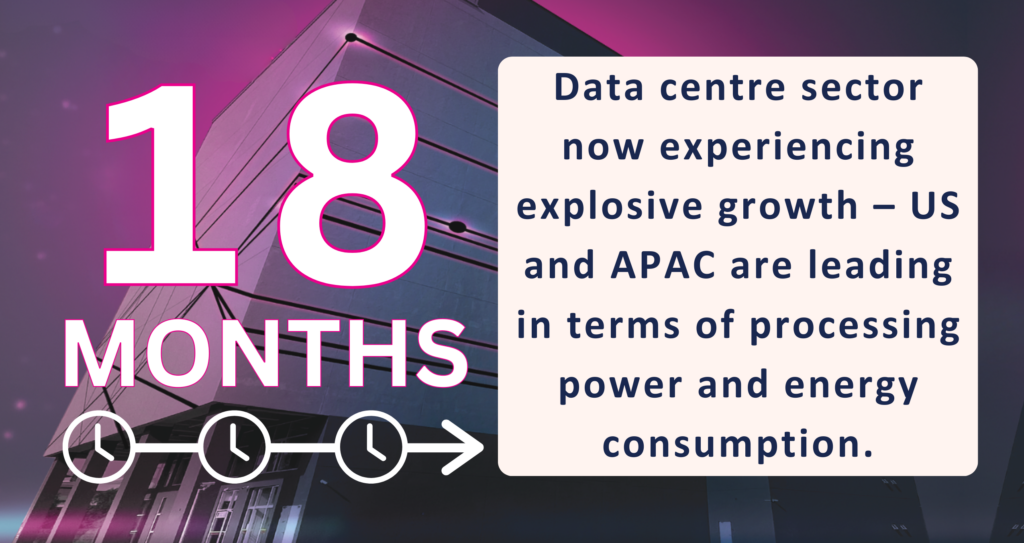
Figure 1: Rapid growth for data centres is now a global trend.
Another market research report, specifically from Jones Lang LaSalle Incorporated (JLL), projected a compound annual growth rate (CAGR) of 7.8% for the overall density of processing racks that are deployed within hyperscale data centres.
By 2027, the average estimate for rack density is expected to reach around 50kilowatts (50KW) per rack, surpassing the current average of 36KW. While the increase in performance throughput is impressive in terms of potential scale, it is quickly becoming a major cause for concern as well when these actual values are translated into energy usage.
As is, the concern of power shortage – alongside water use, lack of a skilled workforce, advanced infrastructure deployment, and extended oversight across various public stakeholders – are now major topics for the data centre sector. These industry issues, which will dominate the narrative for the 5 to 10 years of growth, will be critically impactful to current and future policy-making.
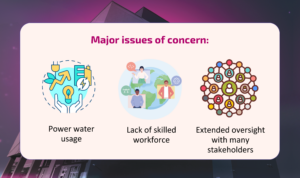
Figure 2: Critical data centre issues to consider.
Powered Concerns
Currently, growing demand for megawatts (MW) and gigawatts (GW) of power have been a major hot-button topic, due to next-gen computing hardware, equally as powerful cooling systems, and connected platforms that these data centres empower across various networks and operational processes.
To set the stage for deeper discussions on this issue, the International Energy Agency (IEA) put out a study in January 2024 that reported how overall electricity consumption is expected to grow at an average of 3.4% from 2024 through 2026.
The report also shared how these gains are powered from various electrification efforts across Asia, specifically China, and the accelerated expansion of the data centre sector. For the IEA, data centres – along with artificial intelligence (AI) and crypto-currency – could potentially double their overall consumption of electricity by 2026.
This massive demand for power, due to the growing surge in data centres being deployed, had pushed Singapore to introduce a moratorium on data centres in 2019. The main driving factor for this move is to better manage the considerable energy consumption from data centres that are coming online in stages. At the time, 7% of its total electricity usage comes from this growth segment of the data and digital economy, with projections putting the anticipated usage at 12% by 2030.
Malaysia is likely to face similar issues as well when multiple data centres start powering up in the coming months. To-date, based on the multiple deployment announcements over the last 18 months, the country will see 17 data centres in Selangor coming online by next year. When added onto the 70 or so data centre sites that are operating around Malaysia, that brings the total to an estimation of 90.
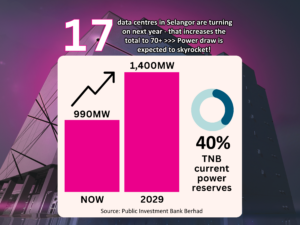
Figure 3: There will be a accelerated growth for energy demands.
All of them will directly contribute to expected jump in power demand, a value that Public Investment Bank Berhad believes will balloon from 990MW to 1,400MW by 2029. The same report, which is an extensive research on the data centre market from July 2024, also noted how the power utilities provider, Tenaga Nasional Berhad (TNB), had received applications from 10 data centres that are requesting for a total energy demand of up to 2,000MW.
Certainly, there is a need for updated regulations that ensure that TNB has enough capacity on the national power grid and will continue to expand its reserves. While reserves are marginally high – at an estimated 40% right now – there must be active strategies that will ensure more is done to ensure long-term sustainability.
Critical focus for energy usage efficiency for the digital growth ecosystem is now a primary focus as current regulations and new policies have put the spotlight on green and renewable energy. These include initiatives that are sustainable and can be ramped up as they are expected to become mainstay focuses for Budget 2025.
Operational Shortages
Increased power consumption is not the only concern for data centres. Growing water usage, needing a highly-skilled workforce that has the right skillsets, and deployment of high-tech, high performance infrastructure are also in the spotlight.
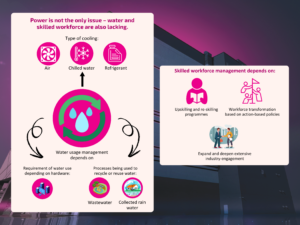
Figure 4: Efficient water management and workforce development are key to address these growing concerns.
According to a recent report from The Edge, a typical data centre consumes an average 1.1 million gallons of water per day (4.2 million litres per day – 4.2MLD). While there is the caveat that each data centre will have different levels of usage, it is usually due to their level of operational efficiency. This is mostly due to the precision cooling systems that are being used – this includes air, chilled water, and refrigerant systems that are used to keep the high-performance hardware cool while operating under heavy loads.
The high consumption had even spurred Johor to consider rainwater collection and recycling waste-water processes to be considered for upcoming data centre deployments. The latter is something Amazon Web Services had already implemented for 20 data centre locations.
Beyond water concerns, there need for skilled talent will grow at an accelerated rate as 17 data centres across Malaysia are expected to come online in 2025. In terms of technical skill-sets, deep experiences in project implementation; health and safety; and solution and structural engineering are the permanent flavours of the month since 2020 and it will remain this way until beyond 2030.
Addressing this must go beyond current industry and educational engagements. While there are efforts to educate the next-gen workforce and provide various upskilling and re-skilling programmes for current digital talents, more can be done. This includes initiating policy changes that will focus on digital talent development and drafting new processes that spur workforce transformation.
In doing so, talent development initiatives can be implemented on a shorter time-frame. Critical results from this move include enabling foreign talent trade, fast-tracking knowledge transfer, and empowering public-private collaborations to power programmes that will meet growing demands for a skilled workforce.
While there are many regulatory incentives that power workforce upskilling, re-skilling, and enhancements efforts, as seen in various workforce transformation programmes that have recently appeared, most do not directly align with the current and new requirements of data centres.
Infrastructure Potential
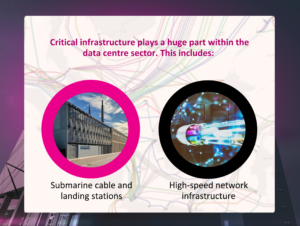
Figure 5: The two major focuses for core network deployment.
Regulations for usage of natural resources and workforce management are not the only policy driven growth drivers for the data centre sector. There are also ecosystem enablers, such as external linkages; network versatility; and continuous growing demand for AI and all things related to AI, machine learning, and automation. Of these, the former is critical as it directly impacts the decision to deploy more data centres as increased network capacity from new submarine cable landings is a huge reassurance to all that there is a long-term view for growth.
The most recent development is the confirmation that two new submarine cable landing stations in Johor that have been proposed for deployment. Both are expected to boost connectivity capabilities for data centres that will be coming online in that state. As is, the need for more submarine cable landings are important as it directly impacts global network latency and overall performance. With the growing demand for data centre deployment in Malaysia – partially due to Singapore’s moratorium that is now lifted partially; the industry-positive policies that are being put in play; and other encouraging factors, such as affordable pricing for energy and water, active engagement to drive forward workforce development, and ongoing rollout of next-gen infrastructure – it is clear that there will be similar explosive growth for submarine cables.
Revisiting and refining the cabotage policy that enable cable-laying ships to install, maintain, and repair submarine cables is a good first step. With interest to install and expand submarine cables in the Asia Pacific and Indo-Pacific regions growing at a rapid rate, this critical infrastructure will be under the spotlight in short order. A report from 2020 in Site Selection reveals how growing demand and, with how the data centre sector is now experiencing booming growths across Southeast Asia, it reinforces the fact that landing points for submarine cables will be a major driving factor as well.
Notably, submarine cables – as a fundamental aspect for data centre and network capacity – will be a major focus point for policy-makers. If more landings are considered and implemented, the eventual benefits include making connectivity pricing more competitive, driving up interest to invest into Malaysia, and boosting the overall robustness of Malaysia’s data centre sector and digital economy.
Policy Innovation
Right now there are ongoing efforts to ensure government policies and supportive regulations are in place are very welcomed. In fact, a new set of guidelines on data centre power and water usage effectiveness, respectively called the PUE and WUE, is expected to be announced in the coming months since it had originally been slated for Q3 2024. According to Senator Tengku Datuk Seri Zafrul Abdul Aziz, Minister of the Malaysia Ministry of Investment, Trade, and Industry (MITI), this move will ensure that the new data centres being built must meet the minimum sustainability requirements.
These new guidelines are being developed and implemented under the guidance of the Standard and Industrial Research Institute of Malaysia (SIRIM) and the Department of Standards. With these new standards, the goal for MITI is to ensure that Malaysia can achieve net-zero emissions by 2050. As such, data centres that are coming online in 2025 must meet the minimum requirements, which global institutions have put in place, to manage their high volume of power and water consumption.
Both units are expected to work closely with the Malaysia Digital Ministry and its agency, the Malaysia Digital Economy Corporation (MDEC), as they push forward various optimisations that will help transform the data centre ecosystem.
Notably, government policies and regulations have long been aligned with the growth of the digital economy. While this is a very welcomed trend, especially since it helped push forward the digitalisation agenda for Malaysia, it also brought to light a major concern – having multiple government stakeholders to work with and manage. Even if it is necessary to engage more than one public sector player, especially when it is related to federal and state government processes, there should be a single entity to manage full oversight of the data centre sector. In doing so, it can properly streamline operational development, processing accountability, and policy optimisation.
Currently, total oversight falls within the jurisdiction of multiple ministries: Economy; Natural Resources and Environmental Sustainability; and Energy Transition and Water Transformation. While each ministry and their respective agencies have a critical role to play, the data centre sector must engage with all of them to understand and meet specific requirements to ensure full governance. This is how standards implementation had to rope in three public agencies.
This need for multi-party engagement is not limited to these specific scenarios as growing the digital economy will require national level policy-making. As is, new government policies and roadmaps that have been launched over the last 18 months, which includes various programmes that are being used to build a roadmap for data centre ecosystem regulation; Malaysia Digital Economy Blueprint; Roadmap National Industrial Master Plan 2030; National Energy Transition Roadmap; Malaysia Renewable Energy Roadmap; and Artificial Intelligence Roadmap, are all focused on pushing Malaysia into a new era of digital transformation.
However, they are fragmented and under different oversights with their own respective mandates. Beyond the newly introduced Malaysia Data Centre Sustainability Framework, the rest do not directly address or manage the data centre ecosystem. In fact, some quarters have already expressed their concerns on risk factors that the new data centre framework might create.
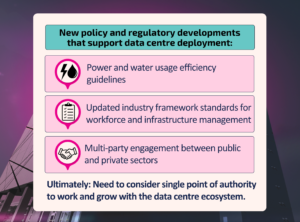
Figure 6: What new policy and regulatory frameworks should focus on.
Ideally, there should be a single point of authority that can work with the data centre ecosystem to develop and implement new regulatory frameworks. Energy sustainability, water shortage, and workforce development – all of which will be addressed during Budget 2025 – are core issues that data centres contend with as they continue to expand their operational presence in Malaysia.
Notably, while various regulations are being developed and streamlined, a brand-new regulatory framework for data centres is being drafted right now – the Data Centre Planning Guidelines (GPP). Developed wholly through the Town and Country Planning Department (PLANMalaysia), an extension of the Malaysia Ministry of Housing and Local Government, this guideline will focus on the various building plans, implementation of innovations, and management of all related applications for data centre deployment. This draft, once ready to be implemented, might be the first step forward towards a single point of authority and interaction with the data centre ecosystem.
As the digital economy continues to be a major focus for Budget 2025, it is critical that an overarching authority is appointed to oversee this important economic driver and growth agenda.