A Guide to Colocation Data Centres for Modern Businesses
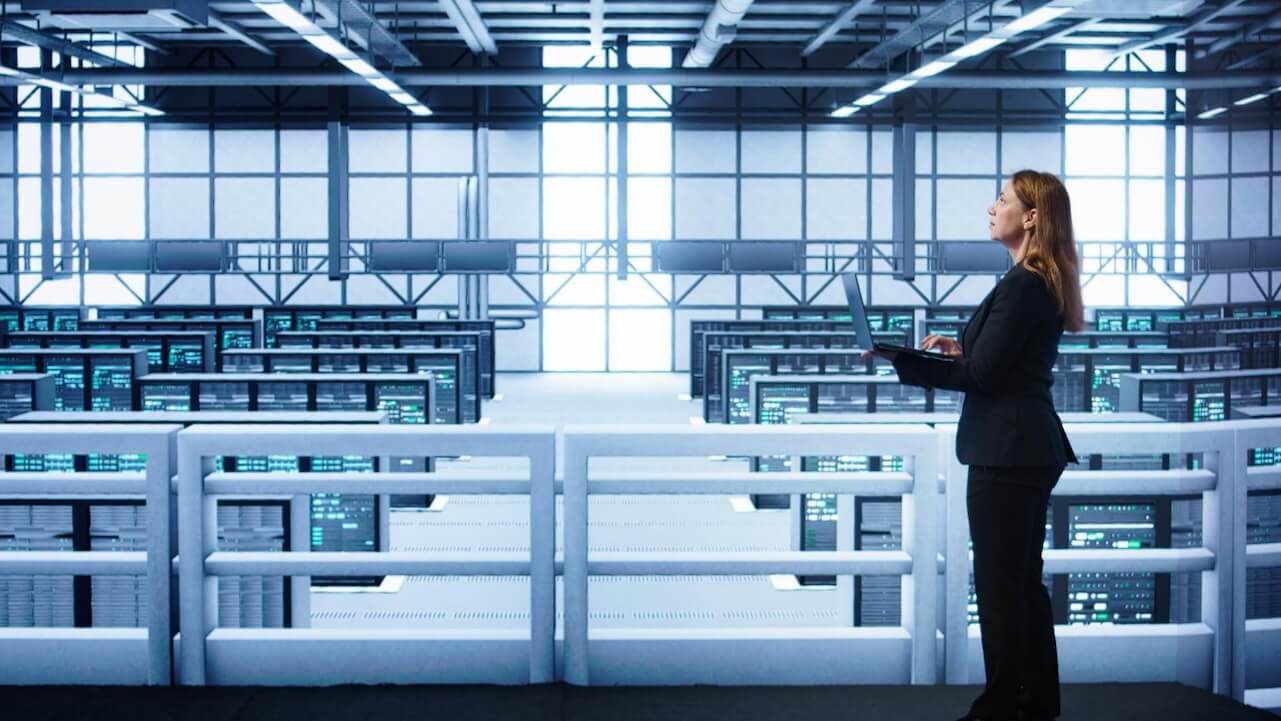
What is a Colocation Data Centre? A Guide for Businesses
Summary
A colocation data centre provides businesses with a secure, scalable, and cost-effective solution for housing IT infrastructure.
Companies can rent space in a third-party facility, where they retain control over their hardware while benefiting from essential services such as power, cooling, security, and high-speed internet connectivity.
The key advantages include cost savings, robust security, and redundancy, as well as the ability to scale as needed. Suitable for startups, large enterprises, and cloud-driven businesses, colocation offers flexibility and reliability while reducing operational costs compared to building and maintaining an in-house data centre.
Introduction
In today’s rapidly evolving digital landscape, businesses are increasingly seeking efficient, scalable, and secure IT infrastructure solutions. A colocation data centre offers an ideal alternative to traditional IT infrastructure models.
What exactly is a colocation data centre, and why should your business consider it? This guide will walk you through the essential aspects of colocation, its benefits, and why it might be the right choice for your business.
What is a Colocation Data Centre?
A colocation data centre is a facility where businesses can rent space to house their servers, networking equipment, and other IT infrastructure.
Unlike traditional on-premise data storage, colocation allows companies to place their hardware in a third-party data centre that provides power, cooling, security, and connectivity.
Colocation is different from traditional data hosting or cloud services because companies retain full control over their hardware and software, while relying on the facility for basic infrastructure and support.
This makes it an ideal solution for businesses that require more control over their IT resources but want to avoid the hassle and expense of running a private data centre.
How Does a Colocation Data Centre Work?
Colocation works by offering businesses physical space in a third-party facility. The business usually installs its hardware—servers, storage devices, and network equipment—into racks within the data centre. The facility provides essential services such as power, internet connectivity, cooling systems, and security.
One key advantage of data centre colocation is the infrastructure redundancy typically available. Most colocation data centres feature multiple power sources, backup generators, and cooling systems, ensuring 24/7 uptime and operational continuity.
Businesses also benefit from high-speed internet connectivity. This is often faster and more reliable than what they could secure on their own.
Benefits of Colocation Data Centre for Businesses
Adopting a colocation data centre offers several advantages, especially when it comes to cost, security, scalability, and redundancy.
Cost Savings and Efficiency
Building and maintaining an in-house data centre can be costly. From acquiring land and building infrastructure to hiring staff for maintenance, the expenses add up quickly.
With colocation, businesses save significantly on capital expenditures, as they only pay for the space and services they use in the data centre. Additionally, shared infrastructure, such as power and cooling, makes the model more cost-effective than setting up a private data centre.
Security and Redundancy
Another reason businesses opt for colocation data centre is the robust cybersecurity features these facilities offer.
Colocation data centres are equipped with multi-layered security systems, including physical security measures like biometric access control, video surveillance, and 24/7 systems monitoring.
They also provide network redundancy, ensuring businesses can maintain operations even in the event of an infrastructure failure.
Moreover, data centres are often designed to be compliant with industry standards and regulations, offering businesses peace of mind when it comes to data protection.
For more on data centre security, read ‘How Data Centres Ensure Security: Best Practices for Protecting Business-Critical IT Infrastructure’
Scalability and Flexibility
As your business grows, so will your IT needs. Colocation data centres allow businesses to scale their operations seamlessly by adding servers or upgrading their network resources.
This flexibility is essential for companies that experience fluctuating demand or rapid growth.
Since colocation providers offer a range of services and options, companies will be able to adjust their IT infrastructure as needed without the burden of managing physical space or facilities.
Who Needs a Colocation Data Centre?
Colocation data centres are suitable for a variety of businesses, from startups to large enterprises. Here are some businesses that will benefit from colocation:
Startups and Small Businesses
Colocation data centres offer an affordable and scalable IT infrastructure solution for startups and small businesses.
Rather than having to spend substantial capital on building their own data centres, startups can rent space in a colocation facility and focus on growing their business. This allows them to benefit from enterprise-level security, connectivity, and redundancy without the hefty cost.
Enterprises and Large Organisations
Large enterprises that rely heavily on IT infrastructure for operations can also benefit from data centre colocation services. These companies often need both control and customisation that come with housing their hardware in a colocation facility.
Additionally, the cost savings, security, and scalability provided by colocation make it a great option for organisations that need high performance and uptime for mission-critical systems.
Cloud-driven Businesses and Providers
For cloud providers or companies that are highly dependent on cloud services, colocation can offer greater control and flexibility than traditional cloud hosting.
Many cloud-driven businesses use colocation data centres to house physical servers that power their cloud offerings. This ensures they maintain control over hardware while benefiting from high availability and scalability of colocation facilities.
Colocation Data Centre vs Other IT Infrastructure Models
While colocation offers several advantages, it’s important to compare it with other IT infrastructure models, such as on-premise data centres, cloud hosting, and hyperscale data centres.
Colocation Data Centre vs On-premise IT Infrastructure
With on-premise IT infrastructure, businesses manage everything in-house, including physical servers, networking equipment, cooling, power, and security. While this gives companies full control, it also comes with high capital and operational costs.
In contrast, colocation allows businesses to outsource most of the infrastructure management while maintaining control over their IT resources.
Colocation Data Centre vs Cloud Hosting
Cloud hosting offers scalability and flexibility but requires businesses to relinquish control over their hardware.
In a colocation data centre, companies retain ownership and control of their servers and network equipment. This makes colocation ideal for businesses that need full control over their IT environment while enjoying the reliability and security of an outsourced infrastructure.
Colocation Data Centre vs Hyperscale Data Centres
Hyperscale data centres are typically used by large-scale cloud providers, offering massive amounts of computing power. These data centres are optimised for cloud service delivery and often focus on large-scale efficiency rather than customisation.
While colocation data centres can be highly customisable and scalable, hyperscale data centres are more suited for businesses with significant cloud computing needs.
How to Choose the Right Colocation Data Centre Provider?
When choosing a colocation data centre provider, businesses should consider several factors to ensure they select the best facility for their needs.
Location and Proximity
The location of your colocation facility is crucial. Businesses that require low-latency connections or need to comply with local data privacy laws should choose a colocation data centre near them. Proximity to your operations can also help improve speed and performance.
Pricing and Service Levels
Different colocation providers offer varying levels of service and pricing models. Businesses should evaluate the pricing structure, including space, bandwidth, and power usage.
Service Level Agreements (SLAs) are also important as they outline the provider’s commitment to uptime, support, and performance.
For more information, read ‘What to Look for in a Data Centre Provider: A Business Decision-Maker’s Guide’.
Colocation Data Centre Malaysia
In Malaysia, AIMS Data Centre is one of the leading colocation data centre providers, with over 20 years of experience. AIMS offers businesses secure, scalable, and reliable IT infrastructure solutions. Their Tier-3 certified data centres provide 24/7 security, redundant power and cooling, and high availability, ensuring minimal downtime for critical operations.
With points of presence in Kuala Lumpur, Cyberjaya, and Bangkok, AIMS offers flexible and scalable colocation data centre services that cater to businesses of all sizes.
The state-of-the-art facilities are equipped with energy-efficient systems and multiple carrier connections, making it an ideal choice for companies needing fast, reliable, and cost-effective IT solutions. Additionally, AIMS is committed to sustainability, utilising green technologies to minimise environmental impact.
With competitive pricing and tailored solutions, AIMS has become known as a trusted partner for businesses in Malaysia looking to optimise their IT infrastructure. Their commitment to high security, uptime reliability, and network connectivity makes AIMS an excellent choice for organisations seeking a secure and flexible colocation data centre in Malaysia.
Conclusion
A colocation data centre offers businesses a cost-effective, scalable, and secure solution for their IT infrastructure needs. By renting space in a third-party facility, companies can enjoy the benefits of high-end security, network redundancy, and professional management, all while maintaining control over their hardware.
Whether you’re a startup, a large enterprise, or a cloud-driven business, colocation provides the flexibility and reliability necessary for growth.
Consider your business’s unique needs and explore colocation providers that offer the right mix of services, security, and pricing for your operations.